
Introduction
Exposed high quality plumbing pipe systems can be a stylish and modern feature in any home. However, it’s important to understand the potential health risks associated with older plumbing systems, particularly those that might contain lead.
If you’re concerned about lead exposure through plumbing, here’s what you need to know:
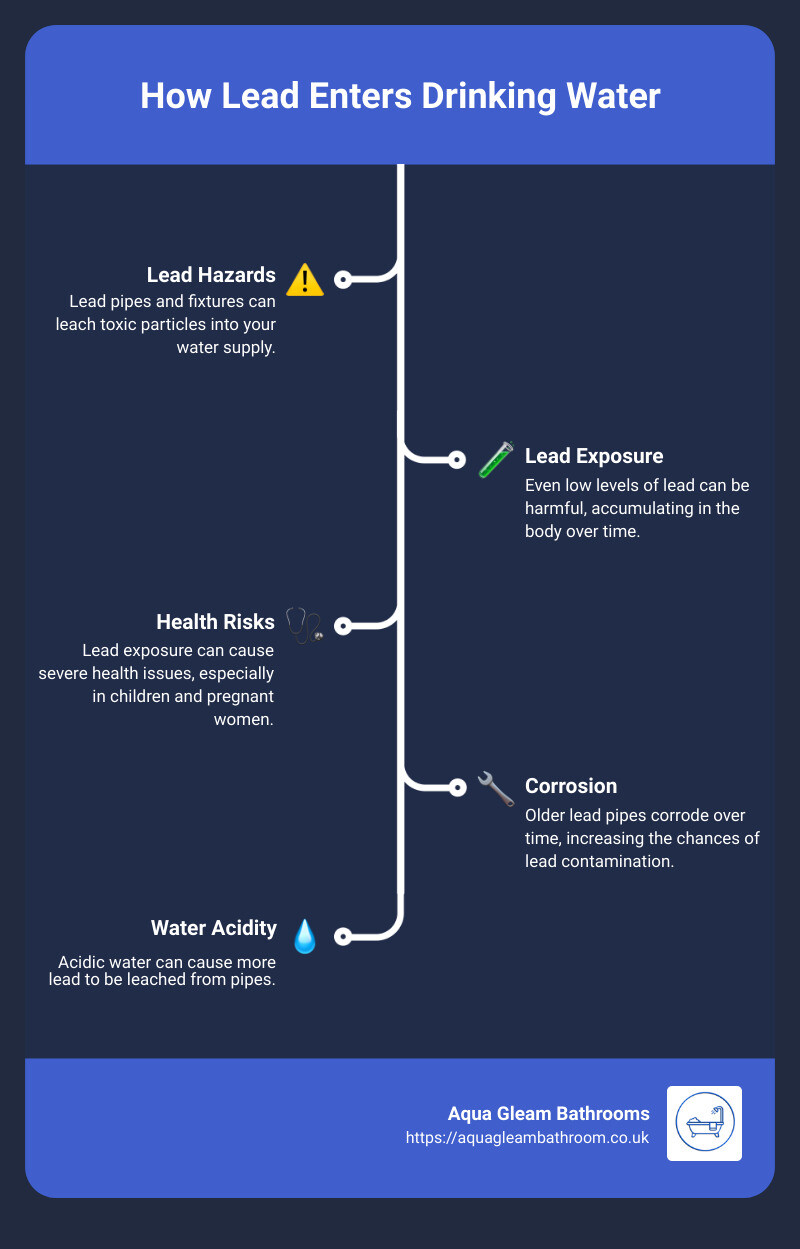
- Lead hazards: Lead pipes and fixtures can leach toxic particles into your water supply.
- Lead exposure: Even low levels of lead can be harmful, accumulating in the body over time.
- Health risks: Lead exposure can cause severe health issues, especially in children and pregnant women.
Lead was widely used in plumbing pipes and fixtures in many older homes, and it’s a significant concern due to its toxicity. Lead exposure can have devastating effects on health, causing neurological and developmental issues, particularly in young children who are more vulnerable to its effects. Adults can also suffer from cardiovascular and kidney problems due to prolonged exposure.
To ensure your home’s plumbing is safe, especially with attractive exposed pipes, it’s crucial to understand the risks and take appropriate precautions.
Understanding Lead in Plumbing
Lead in plumbing is a serious concern, especially in older homes that may still have lead pipes or lead-based solder. Lead can leach into drinking water through a process called corrosion, where the metal gradually wears away due to water quality factors like acidity and mineral content.
Lead Pipes
Historically, lead was a popular material for plumbing due to its malleability and durability. However, its use has drastically decreased because of the health risks associated with lead exposure. Lead pipes can still be found in many older homes and cities, and they pose a significant health risk.
Corrosion
Corrosion happens when water reacts with the lead in pipes, causing it to dissolve into the water supply. Several factors contribute to this process:
- Water Acidity (pH levels): Acidic water (low pH) is more likely to corrode lead pipes.
- Water Chemistry: Certain minerals and chemicals in water can accelerate the corrosion process.
- Water Temperature: Higher temperatures can increase the rate of corrosion.
Water Quality
Poor water quality exacerbates the leaching of lead from pipes. For example, changes in water treatment processes can alter water chemistry, leading to increased corrosion and higher lead levels in drinking water. This was notably seen in the Flint, Michigan water crisis, where a switch in water source led to widespread lead contamination.
Real-World Impact
According to the Environmental Defense Fund, lead pipes are unpredictable. One day, the water may test low for lead, and the next, it could be dangerously high. This variability makes managing lead in water particularly challenging.
In Houston’s Fifth Ward, testing revealed that about 30% of water samples from 200 homes showed elevated lead levels. This highlights the ongoing risk in many communities, particularly older, industrialized areas.
Understanding these factors is crucial for homeowners, especially those with exposed high quality plumbing pipe. Knowing how lead enters your water and the risks associated with it can help you take steps to ensure safe drinking water in your home.
Exposed High Quality Plumbing Pipe and Lead Risks
Types of Pipes and Lead Exposure
When it comes to exposed high quality plumbing pipe, not all materials pose the same risk for lead exposure. Let’s break down the common types of pipes and their relation to lead.
Copper Pipes
Copper pipes are a popular choice for exposed plumbing due to their durability and aesthetic appeal. They do not contain lead, but lead can still enter water through old lead solder used in joints. Copper pipes are resistant to corrosion but can still be affected by acidic water.
CPVC Pipes
Chlorinated Polyvinyl Chloride (CPVC) pipes are another good option. They are resistant to corrosion and do not contain lead. CPVC is also suitable for both hot and cold water, making it versatile for various plumbing needs.
PVC Pipes
Polyvinyl Chloride (PVC) pipes are commonly used for cold water plumbing. While PVC pipes themselves do not contain lead, they can degrade under UV light if used outdoors without protection. It’s important to use UV-resistant PVC or paint the pipes to protect them from sunlight.
How Lead Enters Drinking Water
Understanding how lead gets into your water is key to preventing exposure. Here are the main factors:
Corrosion
Corrosion is a chemical reaction between water and metal pipes, which can release lead into the water. This is especially a concern with older plumbing systems that may have lead pipes or lead solder.
Pipe Material
The material of your pipes plays a significant role in lead exposure. Older homes may still have lead pipes or fixtures, which can leach lead into the water. Even if you have newer pipes like copper, CPVC, or PVC, lead can still enter from old solder or fixtures.
Water Acidity
The acidity of your water can accelerate pipe corrosion, increasing the risk of lead contamination. Acidic water (low pH) is more likely to corrode pipes and leach lead. Regular testing of your water’s pH can help you manage this risk.
Next, we’ll explore best practices for ensuring safe water in homes with exposed pipes, including choosing the right materials and techniques to reduce lead exposure.
Best Practices for Safe Water in Homes with Exposed Pipes
Choosing the Right Materials for Exposed Plumbing
When it comes to exposed plumbing, selecting the right materials is crucial for preventing lead exposure and ensuring safe water. Here are some top choices:
-
Copper Pipes: Copper is a popular choice for exposed plumbing due to its durability and aesthetic appeal. It doesn’t corrode easily, making it a safer option for drinking water. However, ensure that the pipes are connected with lead-free solder to avoid contamination.
-
CPVC Pipes: Chlorinated polyvinyl chloride (CPVC) pipes are another excellent option. They are resistant to corrosion and can handle both hot and cold water. CPVC pipes are also more flexible than copper, making installation easier.
-
Lead-Free Materials: Always opt for materials labeled as lead-free. This includes not just the pipes but also fittings, fixtures, and any other components in your plumbing system. Using lead-free materials minimizes the risk of lead leaching into your water.
Techniques to Reduce Lead Exposure
Even with high-quality materials, employ techniques that further reduce the risk of lead exposure.
Filter Systems
Installing a water filter system can significantly reduce lead levels in your drinking water. Look for filters certified by NSF/ANSI Standard 53 for lead removal. These filters can be installed at the point of use (like under the kitchen sink) or at the point of entry to treat all water entering your home.
Regular Testing
Regular water testing is vital to ensure your water remains safe. Test your water at least once a year for lead, especially if you have older plumbing. You can use DIY test kits or hire a professional. If high levels of lead are detected, take immediate action to address the issue.
Pipe Replacement
If your home has old lead pipes or solder, consider replacing them. Pipe replacement is a long-term solution that eliminates the source of lead contamination. While this can be costly, it’s an investment in your health and safety.
Water Filters
In addition to whole-house filter systems, individual water filters can be installed on faucets and showerheads. These filters are easy to install and can effectively reduce lead levels in the water you use daily.
Pipe Coatings
Applying pipe coatings can create a barrier between the water and the pipe material, reducing the risk of lead leaching. This technique is particularly useful for older pipes that you cannot replace immediately.
Flushing Taps
Regularly flushing your taps can help reduce lead levels. Let the water run for a few minutes before using it, especially if the tap hasn’t been used for several hours. This helps flush out any water that may have been sitting in the pipes and potentially leaching lead.
Next, we will discuss the health implications of lead in drinking water, including CDC guidelines and how lead exposure can affect children’s health.
Health Implications of Lead in Drinking Water
Lead in drinking water is a serious concern. The CDC (Centers for Disease Control and Prevention) has clear guidelines about the dangers of lead exposure, especially for children.
Symptoms of Lead Poisoning
Lead poisoning can be tricky to spot since symptoms often don’t appear until dangerous levels are reached.
In children, symptoms can include:
- Developmental delays
- Learning difficulties
- Irritability
- Weight loss
- Fatigue and sluggishness
- Abdominal pain
- Vomiting
- Constipation
- Hearing loss
In adults, symptoms might be less obvious but can include:
- High blood pressure
- Joint and muscle pain
- Difficulties with memory or concentration
- Headaches
- Abdominal pain
- Mood disorders
- Reduced sperm count and abnormal sperm
- Miscarriage, stillbirth or premature birth in pregnant women
Long-Term Health Risks
The long-term effects of lead exposure are particularly severe and can affect multiple systems in the body.
Children’s Health
Children are especially vulnerable to lead poisoning. Lead exposure in children can lead to:
-
Developmental issues: Lead can interfere with the growth and development of a child’s brain and nervous system. This can result in lower IQ and reduced attention span.
-
Neurological effects: Damage to the nervous system can cause behavioral problems and learning disabilities. These effects are often permanent.
Adults’ Health
In adults, long-term exposure to lead can cause serious health problems, including:
-
Cardiovascular issues: Lead exposure is linked to high blood pressure and increased risk of heart disease.
-
Kidney function: Lead can damage the kidneys over time, leading to decreased kidney function and chronic kidney disease.
Lead poisoning is a silent threat. The effects may not be immediate, but they can be severe and long-lasting.
Next, we will discuss the best practices for safe water in homes with exposed pipes, including choosing the right materials and techniques to reduce lead exposure.
Exposed High Quality Plumbing Pipe Installation Tips
When to Call a Professional
Installing exposed high quality plumbing pipe can be tricky. Sometimes, it’s best to call a professional. Here are a few scenarios where expert help is essential:
- Complex Installations: If the plumbing system involves multiple connections, bends, or passes through walls, professional plumbers have the experience to handle these complexities without causing damage.
- Leak Detection: Professionals use advanced tools, like sewer cameras and pressure tests, to detect leaks that aren’t visible to the naked eye. This is crucial for preventing water damage and ensuring system integrity.
- Safety Concerns: Working with plumbing can involve risks such as exposure to hazardous materials or working in confined spaces. Professionals are trained to manage these safely.
DIY Tips for Exposed Plumbing
For simpler installations, you might be able to handle the task yourself. Here are some tips to help you get started:
Tools Needed
- Pipe Cutter: For cutting pipes to the right length.
- Wrenches: Adjustable and pipe wrenches for tightening fittings.
- Tape Measure: For accurate measurements.
- PTFE Tape: To seal threaded joints and prevent leaks.
- Safety Gear: Gloves, goggles, and a mask to protect yourself from dust and debris.
Safety Precautions
- Turn Off Water Supply: Always shut off the main water supply before starting any plumbing work.
- Use Protective Gear: Wear gloves and goggles to protect your hands and eyes.
- Ventilation: Ensure good ventilation if working in confined spaces to avoid inhaling fumes.
- Check for Lead: If your home has old pipes, test for lead before starting work. Lead exposure can be harmful, especially for children and pregnant women.
Installation Techniques
- Measure Twice, Cut Once: Accurate measurements prevent waste and ensure a good fit.
- Dry Fit First: Assemble the pipes without glue or solder to check alignment and fit.
- Use Pipe Supports: Secure pipes with brackets or straps to prevent sagging and movement.
- Seal Joints Properly: Apply PTFE tape on threaded joints and use proper adhesive for PVC or CPVC pipes to prevent leaks.
Professional Advice
Even if you plan to do the work yourself, consulting a professional can be invaluable. They can offer tips specific to your situation, recommend the best materials, and help you avoid common pitfalls.
Next, we will discuss the best practices for safe water in homes with exposed pipes, including choosing the right materials and techniques to reduce lead exposure.
Conclusion
At Aqua Gleam Bathrooms, we understand that your home improvement projects are more than just tasks—they’re investments in your family’s health and wellbeing. Ensuring the safety and quality of your plumbing is essential, especially when dealing with potential lead exposure.
Quality Assurance is at the heart of what we do. Our team of professionals is committed to providing you with the highest standards of workmanship. From selecting the right materials to implementing the best installation techniques, we ensure that every aspect of your project is handled with meticulous attention to detail.
When it comes to exposed high-quality plumbing pipes, we prioritize using materials like copper and CPVC that are less likely to contribute to lead contamination. Our experts recommend regular testing and the use of water filters to further safeguard your drinking water.
If you’re considering a bathroom revamp or any plumbing projects, visit our service page to explore how we can help you achieve a safe and beautiful home environment.
Your safety and satisfaction are our top priorities. Trust Aqua Gleam Bathrooms to deliver exceptional quality and peace of mind for all your plumbing needs.