

Introduction
When thinking about upgrading your kitchen or bathroom fixtures, the brass faucet sink stands out for its durability, stylish appearance, and excellent resistance to corrosion. Homeowners in Cardiff who cherish quality and aesthetic appeal often consider this material due to these compelling attributes.
Brass, an alloy of copper and zinc, offers a timeless look coupled with inherent strength. This makes it an ideal choice for areas prone to moisture and frequent use. Its natural resistance to tarnishing and rust provides a long-term solution for any home improvement project, ensuring that your fixtures remain both functional and visually appealing over time.
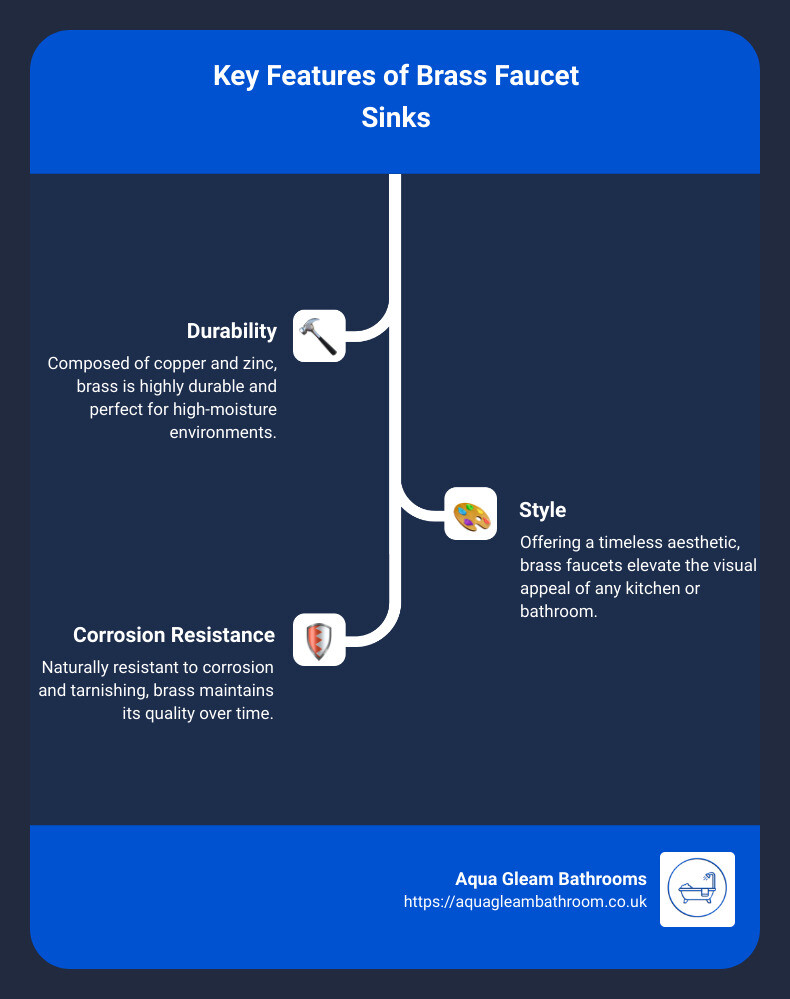
Why Choose a Brass Faucet Sink?
When selecting the right materials for your bathroom fixtures, the choice often boils down to both functionality and aesthetic appeal. A brass faucet sink stands out as a superior option for several compelling reasons.
Benefits of Brass in Faucets
Brass is renowned for its durability and elegance. Here are a few reasons why brass is a preferred material for faucets:
- Corrosion-resistant: Brass faucets excel in bathrooms due to their resistance to corrosion. This quality ensures that your faucet maintains its function and appearance even in the humid, water-intensive environment of a bathroom.
- No rust: Unlike some other metals, brass does not rust. This is crucial for any fixture exposed to water, maintaining the integrity and appearance of the faucet over a long period.
- Traditional style: Brass has a warm, golden tone that adds a touch of traditional elegance to any bathroom setting. This classic appeal makes brass faucets a popular choice for those looking to enhance the style quotient of their bathrooms.
Comparing Materials
When it comes to choosing materials for your faucet, brass often gets compared to stainless steel and zinc alloy. Here’s how brass stands up against these materials:
- Brass vs. Stainless Steel: Stainless steel is also known for its durability and corrosion resistance. However, brass tends to offer a richer finish and is generally considered more visually appealing in traditional decor settings. While stainless steel can appear more modern and minimalistic, brass provides a warm aesthetic that complements a wide range of bathroom styles.
- Brass vs. Zinc Alloy: Zinc alloy faucets are typically more cost-effective but don’t offer the same longevity as brass. Zinc may corrode over time, especially when exposed to water, whereas brass fixtures are more likely to stand the test of time without deteriorating in appearance or functionality.
In conclusion, choosing a brass faucet sink is not just about adding a functional piece to your bathroom; it’s about investing in a fixture that offers longevity, aesthetic appeal, and maintains its quality through years of use. Whether you’re renovating or just upgrading your bathroom, a brass faucet can significantly enhance the space with its classic beauty and durable performance.
Installation and Maintenance of Brass Faucets
How to Install a Brass Faucet Sink
Installing a brass faucet sink is straightforward if you have the right tools and a clear guide to follow. Here’s how you can do it step-by-step:
-
Gather Your Tools: You will need an adjustable wrench, a basin wrench, silicone sealant, and plumber’s tape. Make sure you have all these tools before you start.
-
Turn Off the Water Supply: Always start by turning off the water supply to avoid any unexpected water flow.
-
Remove Old Faucet: Use the basin wrench to loosen and remove the nuts holding the old faucet. Carefully lift the faucet out of the sink once it’s free.
-
Clean the Sink Surface: Before installing the new faucet, clean the area around the sink hole to ensure a tight seal of the new faucet.
-
Position the New Faucet: Place the new brass faucet into the mounting hole on the sink. Make sure it’s aligned correctly.
-
Secure the Faucet: From underneath the sink, use the wrench to tighten the mounting nuts that hold the faucet in place. Do not over-tighten, as this could damage the nuts or the sink itself.
-
Connect the Water Supply Lines: Attach the water supply lines to the faucet and secure them with plumber’s tape to prevent leaks.
-
Test Your Installation: Turn on the water supply and check for any leaks. Tighten connections if necessary.
Maintaining Your Brass Faucet
To keep your brass faucet sink looking great and functioning well, follow these simple maintenance tips:
-
Regular Cleaning: Use a soft cloth and warm soapy water to clean your brass faucet. Avoid abrasive cleaners or pads that could scratch the surface.
-
Polish Occasionally: To maintain the luster of brass, use a specialized brass cleaner every few months. Apply a small amount on a soft cloth and rub it onto the faucet, then buff with a clean cloth.
-
Prevent Tarnish: Brass can tarnish when exposed to air and moisture over time. To prevent this, you can apply a thin coat of wax after cleaning. This seals the surface and slows down the tarnishing process.
-
Check for Leaks: Regularly check under the sink for drips or moisture that might indicate a leak. Fix leaks promptly to prevent water damage and wastage.
By following these installation and maintenance steps, your brass faucet will remain a beautiful and functional fixture in your bathroom for years to come. Continue to the next section to learn about safety and health considerations when using brass faucets.
Safety and Health Considerations for Brass Faucets
Is Your Brass Faucet Safe?
When choosing any fixture for your home, safety is paramount. Brass faucet sinks are popular due to their durability and aesthetic appeal, but it’s important to consider the materials used in their construction, especially lead content.
Historically, brass alloys used in faucets could contain significant amounts of lead, making them a potential health risk. Lead in drinking water can lead to a variety of health problems, especially in young children and pregnant women. However, regulations such as those set by the United States Environmental Protection Agency (EPA) have significantly reduced these risks by setting stringent lead content standards for plumbing materials.
Today, most brass faucets manufactured for drinking water are made to be “lead-free” as defined by the Safe Drinking Water Act (SDWA), which means they contain no more than 0.25% lead. When shopping for a new brass faucet sink, always confirm that the product meets these guidelines and is certified for low lead levels.
Ensuring Safe Water from Brass Faucets
Even with modern regulations, take steps to ensure the water from your brass faucets remains safe to consume:
-
Flushing Techniques: Always run cold water through your faucet for a few minutes each morning or after extended periods of non-use. This practice helps flush out any stagnant water that may have accumulated lead from brass components.
-
Regular Checks: Have your water tested periodically, especially if your home has older plumbing. This will help you detect any unsafe levels of lead or other contaminants. Testing is particularly crucial if you notice changes in water taste, odor, or appearance.
-
Proper Installation and Maintenance: Ensure that your brass faucets are installed and maintained according to manufacturer instructions. Incorrect installation or failure to replace worn-out parts can lead to corrosion and increased lead leaching.
-
Use Cold Water for Consumption: Use only cold water for drinking, cooking, and making baby formula. Hot water can leach more lead from brass faucets than cold water.
By understanding these safety considerations and implementing best practices, you can enjoy the beauty and functionality of a brass faucet sink without compromising on health and safety. Continue to the next section to explore the diverse design and style options available for brass faucets.
Design and Style Options for Brass Faucet Sinks
When you’re choosing a brass faucet sink, you’re not just selecting a functional piece of hardware; you’re also making a statement about your style. Brass faucets come in a variety of designs that can complement any decor, from modern minimalist to richly ornate traditional settings. Let’s explore some of the popular finishes and how to match these with your home decor.
Popular Finishes and Their Impact
-
Polished Chrome: This shiny finish has a mirror-like appearance that adds a touch of sleekness and modernity to your bathroom or kitchen. It reflects light beautifully and is easy to match with various styles of decor.
-
Oil Rubbed Bronze: Ideal for those who prefer a more subdued, antique look. This finish offers a dark, almost black color with copper undertones, providing a warm, rich feel that works well in traditional or rustic settings.
-
Antique Brass: This finish gives a soft, golden tone that exudes a vintage charm. It’s perfect for adding a touch of classic elegance to any room.
Each of these finishes has its own unique impact on the room’s aesthetics, influencing how other elements like lighting and cabinetry will interact with the overall decor.
Choosing the Right Brass Faucet for Your Decor
Selecting the right brass faucet involves more than just picking a finish. Here are some tips to ensure that your faucet complements your home’s style effectively:
-
Matching Styles: If your home has a contemporary design, look for brass faucets with clean lines and minimal detailing. For a traditional space, faucets with ornate designs and classic shapes can add a sense of timelessness.
-
Color Coordination: Consider the color scheme of your room. A polished chrome faucet can serve as a neutral element in a brightly colored room, while oil rubbed bronze or antique brass can harmonize beautifully with earth tones and wooden finishes.
-
Contemporary, Traditional, Vintage: Think about the overall vibe you want to achieve. Contemporary designs often feature geometric shapes and are made from polished materials. Traditional designs lean towards curves and intricate details, and vintage styles often look well-worn or have retro designs.
Choosing a brass faucet sink isn’t just about practicality; it’s about enhancing the beauty and cohesion of your home’s design. By considering these aspects, you can select a faucet that not only meets your functional needs but also elevates your decor.
Frequently Asked Questions about Brass Faucet Sinks
Is a Brass Faucet Better?
Brass faucet sinks are renowned for their durability and timeless appeal. They offer several advantages over other materials:
- Durability: Brass is a robust material that can handle high temperatures and resist corrosion, making it ideal for a long-lasting faucet.
- Aesthetic Appeal: With its natural golden hue, brass adds a touch of warmth and luxury to any bathroom or kitchen.
- Versatility: Brass faucets come in various finishes, including polished, antique, and brushed, which can complement any decor style.
These features make brass faucet sinks a popular choice for those looking to combine functionality with style.
Why Are Brass Faucets So Expensive?
Brass faucets tend to be more expensive due to several factors:
- Material Quality: Brass is a composite of copper and zinc, which are relatively costly materials themselves. The higher the copper content, the higher the quality and price.
- Manufacturing Process: Crafting faucets from brass often involves complex casting and machining processes, which can add to the cost.
- Longevity and Maintenance: The durability of brass means it can last for decades without needing replacement, which is a long-term saving despite the initial higher cost.
Investing in a brass faucet can be seen as a long-term investment in the quality and functionality of your home.
Are Brass Faucets Safe?
Historically, some brass faucets contained lead, which could leach into water and pose health risks. However, modern regulations and manufacturing practices have significantly improved the safety of brass faucets. Key points include:
- Lead-Free Regulations: In many regions, including the United States and the European Union, brass faucets are required to be virtually lead-free. This means they contain less than 0.25% lead, significantly reducing any risk of lead contamination.
- Certifications: Look for brass faucets that meet or exceed national and international standards, such as NSF/ANSI, which certify that the faucets meet strict health and safety standards.
- Regular Maintenance: Keeping your brass faucet clean and well-maintained will ensure it remains safe to use. Regular cleaning can prevent the buildup of harmful bacteria and other contaminants.
By choosing a high-quality, certified brass faucet and maintaining it properly, you can enjoy the beauty and durability of brass with peace of mind about its safety.
Conclusion
In conclusion, upgrading your bathroom with a brass faucet sink from Aqua Gleam Bathrooms is not just about enhancing the aesthetics of your space; it’s about making a long-term investment in quality and style. Our brass faucets are designed with both tradition and innovation in mind, ensuring they add a touch of elegance and sophistication to your bathroom.
At Aqua Gleam Bathrooms, we pride ourselves on our commitment to high-quality workmanship. Our team of experts is dedicated to providing you with bathroom solutions that not only look great but also last for years to come. By choosing us, you’re opting for a bathroom upgrade that combines durability, style, and functionality.
We understand that a bathroom remodel is a significant undertaking, which is why we ensure every detail is perfect, from the initial design to the final installation. Our brass faucet sinks are crafted to meet the highest standards of quality and aesthetics, ensuring they stand the test of time and trends.
If you’re ready to transform your bathroom into a stunning and functional space, explore our plumbing services in Cardiff. Let us help you make your dream bathroom a reality with our expert craftsmanship and high-quality brass fixtures. Upgrade your bathroom today and experience the Aqua Gleam difference!