
To become a professional tiler is to embark on a career where precision meets creativity. Tiling is not just about sticking tiles to a wall or floor; it’s an art that transforms spaces into something beautiful and enduring. Whether you’re dreaming of upgrading your Cardiff home or pursuing a lifelong career, mastering the craft of tiling is a valuable skill set that combines functionality with aesthetics.
Tilers are essential in both residential and commercial projects, ensuring surfaces not only look good but are also durable and properly installed. The importance of professional tiling cannot be overstated—it affects the project’s overall quality, finish, and longevity. A well-executed tiling job can significantly enhance the value and appeal of any space, making it a crucial aspect of construction and renovation works.
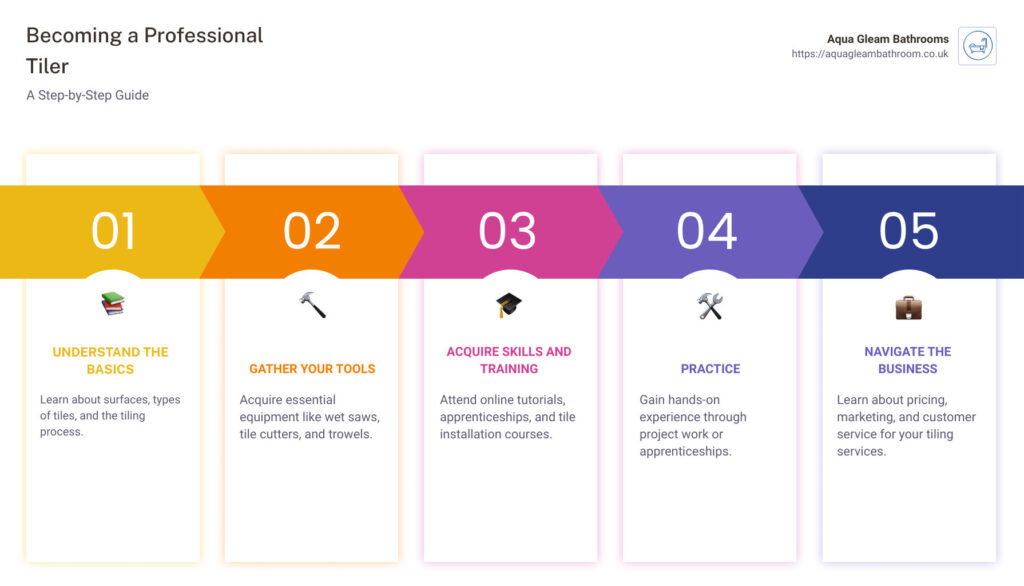
Getting started as a tiler involves understanding the basics, acquiring the right tools, gaining hands-on experience, and learning to navigate the business side of things. It’s a career that requires patience, a keen eye for detail, and the willingness to continuously learn and adapt.
Understanding the Basics of Tiling
Before you dive into tiling, there are a few basic principles you need to understand. These foundations will set you up for success, whether you’re aiming to be a professional tiler or simply want to tackle a DIY project. Let’s break down the essentials: surface preparation, types of tiles, tool usage, mortar application, and grouting techniques.
Surface Preparation
The first step in any tiling job is preparing the surface. This means ensuring the area you’re going to tile is clean, level, and free of debris. Any bumps or irregularities can cause tiles to lay unevenly, leading to a less-than-desirable finish. A clean surface also ensures the adhesive bonds properly, securing the tiles in place for years to come.
Types of Tiles
There’s a vast array of tiles to choose from, including ceramic, porcelain, glass, and marble. Each type has its own set of characteristics in terms of durability, water resistance, and aesthetics. For instance, ceramic and porcelain tiles are popular for both walls and floors due to their water resistance and durability, making them ideal for bathrooms and kitchens.
Tool Usage
The right tools make all the difference in tiling. Essential tools for any tiler include wet saws for cutting tiles, tile scribes for marking precise lines, handheld tile cutters for quick trims, trowels for applying mortar, and grouting floats for filling in the spaces between tiles. A high-quality tile cutter, like the VEVOR 48” Manual Tile Cutter, can significantly ease the process of cutting large tiles with precision.
Mortar Application
Mortar acts as the glue that holds your tiles in place. Applying it correctly is crucial for a long-lasting finish. The key is to spread an even layer of mortar using a notched trowel, creating ridges that will help the tiles adhere better. The size of the notch should correspond to the size of your tiles; larger tiles require a trowel with bigger notches.
Grouting Techniques
Once your tiles are laid and the mortar has dried, it’s time to grout. Grouting involves filling the spaces between tiles to seal the surface and give it a polished look. It’s important to choose a grout color that complements your tiles, as it can significantly affect the overall appearance of your tiling job. Applying grout with a rubber float and wiping away the excess with a damp sponge will ensure a clean, professional finish.
Understanding these basics is just the beginning. With practice, patience, and attention to detail, you’ll be well on your way to mastering the art of tiling. Every great tiler started with the basics, gradually building their skills over time. So, take it step by step, and don’t be afraid to learn from experienced professionals who can provide valuable insights and tips to enhance your craft.
In the next section, we’ll delve into the essential tools and equipment every tiler needs to have in their toolkit. Stay tuned to learn how to select the right tools for every tiling job and how to use them effectively for flawless results.
Essential Tools and Equipment for Tilers
To ensure high-quality workmanship in tiling, having the right tools and equipment is crucial. Below, we explore some essential items every tiler should have in their toolkit.
Wet Saws: For precise cuts on tiles, especially when dealing with materials like porcelain and ceramic, a wet saw is indispensable. It uses water to cool the blade, reducing dust and preventing overheating. Wet saws are perfect for making straight cuts and notches.
Tile Scribes: For jobs requiring quick, small cuts, tile scribes are your go-to tool. They allow you to score the tile, making it easier to snap along the scored line. This tool is handy for making custom fits around obstacles.
Handheld Tile Cutters: When you need portability and simplicity, handheld tile cutters are excellent. They’re ideal for smaller projects or for tiles that need minimal adjustment.
Trowels: A variety of trowels are used in tiling for spreading adhesive and mortar. Notably, the notched trowel, which helps in applying a consistent amount of mortar and creating a suction mechanism to hold tiles in place.
QEP 10552br 20″ Tile Cutter: This tool is suitable for both amateurs and professionals. It’s designed for making quick, straight cuts on ceramic and porcelain tiles.
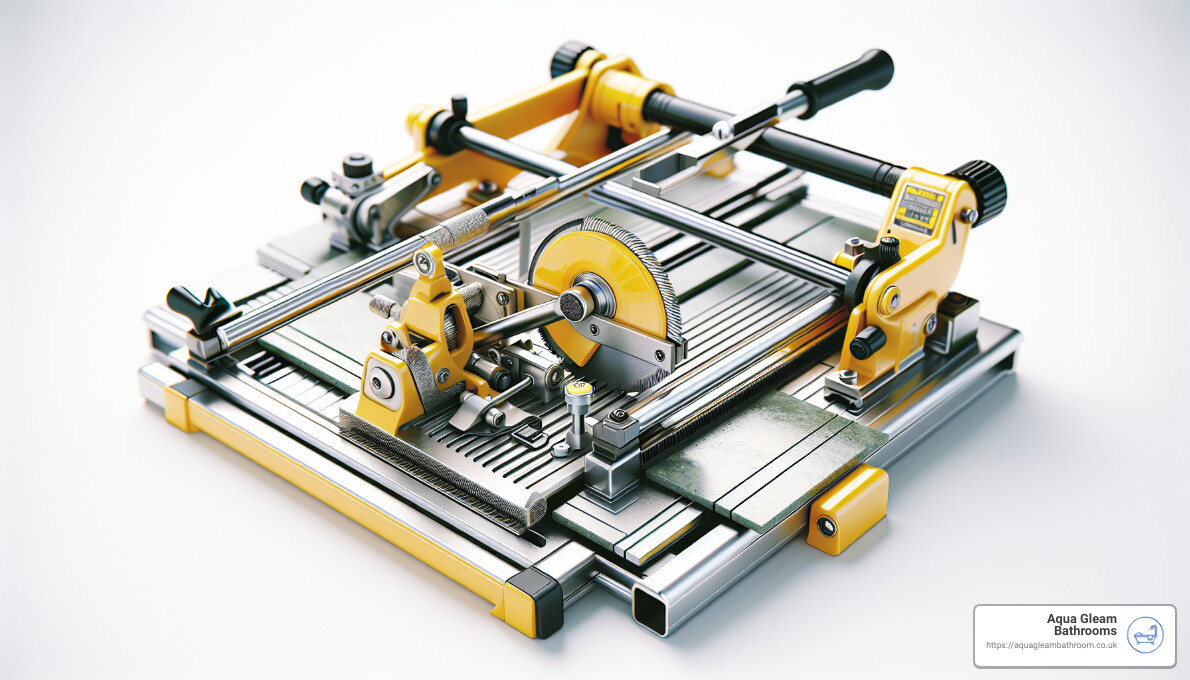
VEVOR 48” Manual Tile Cutter: For larger tiles, this cutter is a game-changer. It can handle tiles up to 48 inches in length, making it perfect for cutting large tiles with precision.
Kobalt 1.16‑in Tile Cutter Kit: This kit is designed for versatility and precision, offering a range of tools for various cutting techniques.
Anvil 14 in. Ceramic and Porcelain Tile Cutter: Compact and easy to use, this cutter is great for smaller, more intricate cutting jobs on ceramic and porcelain tiles.
Dewalt DWC860W Wet/Dry Tile Cutter: A robust option for heavy-duty cutting. It can be used wet or dry, providing flexibility depending on the job requirements.
Each tool has its unique advantages and is suited for specific types of tiling tasks. It’s essential to familiarize yourself with these tools and understand their best applications to achieve the desired results in your tiling projects.
Selecting the right equipment not only eases the tiling process but also ensures a professional finish. Invest in quality tools that will last and deliver high-quality cuts and installations. In tiling, precision and attention to detail make all the difference.
Stay tuned as we move on to discussing how to acquire the necessary skills and training to become a proficient tiler.
Acquiring the Necessary Skills and Training
Becoming a proficient tiler is not just about having the right tools. It’s about mastering the craft through education, practice, and experience. Let’s break down how you can acquire these essential skills and training.
Online Tutorials
The internet is a treasure trove of knowledge. You can find countless online tutorials that cover everything from basic tile installation to advanced techniques and designs. Platforms like YouTube offer free access to expert advice and step-by-step guides. Start with basic tutorials to understand the foundational skills before moving on to more complex projects.
Apprenticeships
One of the best ways to learn tiling is by doing. An apprenticeship with an experienced tiler gives you hands-on experience in a real-world setting. You’ll learn not just the technical aspects of tiling but also how to manage projects, interact with clients, and solve problems on the fly. Apprenticeships can vary in length but typically offer a comprehensive learning experience.
Mechanical Skills
Tiling requires a good understanding of mechanical skills. This includes everything from measuring and cutting tiles to mixing and applying mortar correctly. Many community colleges and vocational schools offer courses in basic mechanics that are applicable to tiling. These skills are crucial for ensuring that your tile installations are not only beautiful but also durable and structurally sound.
Tile Installation Courses
For those looking to dive deeper into the profession, tile installation courses are a great option. These courses can range from one-day workshops to multi-week classes and cover topics such as surface preparation, tile selection, and advanced installation techniques. Look for courses offered by trade schools or organizations like the British Institute of Kitchen, Bedroom & Bathroom Installation (BiKBBI) or the Kitchen Bathroom Bedroom Specialists Association (KBSA). These institutions often provide certification upon completion, which can enhance your credibility as a professional tiler.
Becoming a skilled tiler takes time and dedication. Start with the basics, practice regularly, and don’t be afraid to seek out more advanced training as you progress. Whether through online resources, hands-on apprenticeships, or formal courses, there’s a path to mastering the art of tiling that’s right for you.
In the next section, we’ll explore how to price your tiling services competitively while ensuring you’re fairly compensated for your hard work and expertise.
Pricing Your Tiling Services
Pricing your tiling services involves a careful balance between staying competitive in the market and ensuring you’re fairly compensated for your time, expertise, and resources. Here’s how to approach it:
Hourly Rates
Charging by the hour is common for tiling jobs, especially for smaller projects or repairs. Hourly rates can vary widely depending on your experience, the complexity of the job, and your location. Research what other tilers in your area are charging to get a baseline. As you gain more experience and build a portfolio of high-quality work, you can gradually increase your rates.
Per Square Metre
For larger projects, such as tiling entire rooms or outdoor areas, charging per square metre is standard. This method often makes it easier for clients to understand and compare prices. When calculating your rate per square metre, consider the cost of materials, the type of tiles (as some are more challenging to install than others), and any preparation work needed.
Day Rates
Some tilers prefer to set a day rate, which can be effective for projects that are expected to take a full day or more. This pricing structure is beneficial when the scope of work is less defined, allowing for the flexibility to manage unforeseen challenges without the need to renegotiate hourly rates.
Location Impact
Your geographical location significantly impacts your pricing strategy. Tilers in large cities or affluent areas often charge more due to higher living costs and demand for services. Conversely, if you’re in a region with lots of competition or lower demand, you may need to adjust your prices to stay competitive.
Labor Cost Calculation
To calculate your labor costs accurately, factor in the time it will take to complete the job, the cost of materials (including wastage), transportation, and any additional tools or equipment rental you might need. Also, consider indirect costs such as insurance, taxes, and marketing. A detailed calculation ensures you cover your expenses and achieve a profitable outcome.
Remember: Transparent communication about your pricing structure with potential clients is crucial. Providing detailed quotes that break down materials, labor, and any additional costs can help build trust and avoid misunderstandings.
Finally, keep detailed records of your work to analyze your pricing strategy’s effectiveness over time. Adjust your rates as necessary to reflect your growing experience, changes in the market, or shifts in client demand.
In the next section, we’ll delve into marketing your tiling services to attract more clients and grow your business.
Marketing Your Tiling Services
Marketing your tiling services effectively is crucial for attracting new clients and building a successful tiling business. Here’s how you can showcase your professional tiling services, emphasize high-quality workmanship, and highlight your attention to detail.
Identify Your Unique Selling Proposition (USP)
What makes your tiling services stand out? Maybe it’s your meticulous attention to detail, as seen in the work of Aqua Gleam Bathrooms, where every tile is expertly grouted, and each fixture is flawlessly installed. Or perhaps it’s your commitment to using high-quality materials. Identifying and promoting your USP will help potential clients understand why they should choose you over competitors.
Leverage Online Platforms
Having a strong online presence is essential. Create a professional website showcasing your portfolio of completed projects. Include detailed descriptions and high-quality images to demonstrate your capability and craftsmanship. Utilize social media platforms to engage with your community and share tips, trends, and project updates. Platforms like Pinterest and Instagram are excellent for visual content, such as before-and-after photos of your tiling projects.
Optimize for Local Searches
When people search for “tiler near me,” you want your business to come up in the results. Optimize your website and social media profiles for local SEO by including location-based keywords and phrases. Register your business on Google My Business to improve your visibility in local search results and Google Maps.
Request Reviews and Testimonials
Word of mouth remains one of the most powerful marketing tools. Encourage satisfied customers to leave positive reviews on platforms like Google and Yelp. Share these testimonials on your website and social media. Positive reviews not only enhance your reputation but also reassure potential clients of the quality of your work.
Offer Exceptional Customer Service
Providing excellent customer service can set you apart from the competition. Be responsive to inquiries, offer professional advice, and maintain open communication throughout the project. Satisfied clients are more likely to recommend your services to others.
Network with Related Professionals
Building relationships with professionals in related fields, such as plumbers, electricians, and interior designers, can lead to referral business. Attend industry events, join local business groups, and consider partnership opportunities.
By implementing these marketing strategies, you can effectively promote your tiling services, attract new clients, and grow your business. Your reputation for high-quality workmanship and attention to detail will be your best marketing tool.
In the next section, we’ll address some frequently asked questions about becoming a professional tiler, providing you with more insights into this rewarding career path.
Frequently Asked Questions about Becoming a Tiler
As we delve into the realm of professional tiling, several common inquiries arise. This section aims to clarify these points, drawing from the wealth of knowledge shared in our discussion so far and additional insights on the profession.
What is the role of a tiler?
The primary role of a tiler is to install tiles on various surfaces, such as floors, walls, and roofs. This involves preparing the surface, accurately cutting and laying tiles, applying adhesive (mortar), and ensuring the tiles are properly spaced and aligned. A tiler must also grout the spaces between tiles to seal and complete the installation. The work of a tiler is not just technical but also artistic, as they often have to work with different patterns and tile materials to create aesthetically pleasing designs.
How much does a tiler charge per hour or per day?
The rate a tiler charges can vary widely depending on several factors, including geographical location, the complexity of the job, and the tiler’s experience and reputation. On average, tilers may charge anywhere from $30 to $60 per hour or more. For day rates, tilers might charge between $200 to $400. These are rough estimates, and prices can be significantly higher for specialized work or in areas with a higher cost of living. For a more detailed breakdown of tiling service costs, it’s best to consult with professionals directly or look into local pricing guides.
What do you call a person who does tiling?
Simply put, a person who specializes in tiling is called a tiler. They may also be referred to as a tile installer, tile setter, or a tile contractor. These terms are often used interchangeably to describe professionals who possess the skills and knowledge to install tiles properly. Tilers can work on a variety of projects, from residential bathrooms and kitchens to larger commercial and industrial spaces.
Having covered these foundational questions, it’s clear that becoming a tiler requires a blend of technical skills, creativity, and dedication to quality. Remember that the journey to becoming a successful tiler is not only about mastering the craft but also about understanding the business side of the profession, including pricing and marketing your services effectively.
Conclusion
Embarking on a career as a tiler is not just about laying tiles; it’s about crafting spaces that inspire and stand the test of time. The demand for skilled tilers in the construction and renovation industry presents numerous career opportunities, from residential projects to large-scale commercial ventures.
Career Opportunities
As a professional tiler, you’re not limited to one path. Your expertise can open doors to various sectors within the construction industry, including working for established tiling companies, collaborating with interior designers, or even starting your own tiling business. The satisfaction of transforming a space with your skill and seeing the tangible results of your work can be incredibly rewarding.
Lifelong Career
Tiling is a profession that withstands economic changes. There will always be a need for skilled tradespeople, making it a stable career choice. Moreover, as you gain experience, you can specialize in specific types of tiling work, such as mosaic artistry or historic tile restoration, further enhancing your career prospects and potentially your earning capacity.
Investment in Skills
The journey to becoming a proficient tiler involves a continuous investment in your skills. From mastering the basics to keeping up with the latest tiling trends and materials, there’s always something new to learn. Engaging in apprenticeships, attending workshops, and obtaining certifications can elevate your expertise and reputation in the field.
At Aqua Gleam Bathrooms, we understand the value of professional tiling services and the impact of high-quality workmanship. We’re committed to supporting tilers in their career journey, offering opportunities to showcase their skills on projects that matter.
In conclusion, becoming a tiler offers a fulfilling path with the potential for growth, creativity, and stability. Whether you’re just starting or looking to elevate your tiling career, your skills are the foundation of every beautiful space you create. With dedication, continuous learning, and a focus on quality, your work as a tiler can provide lasting satisfaction and success.