

Plastering problems and solutions are essential topics for any homeowner aiming to create a flawless and durable finish in their homes. Plastering can significantly improve the appearance and functionality of your space, but when things go wrong, it can lead to a host of issues.
Here are the most common plastering problems and their solutions:
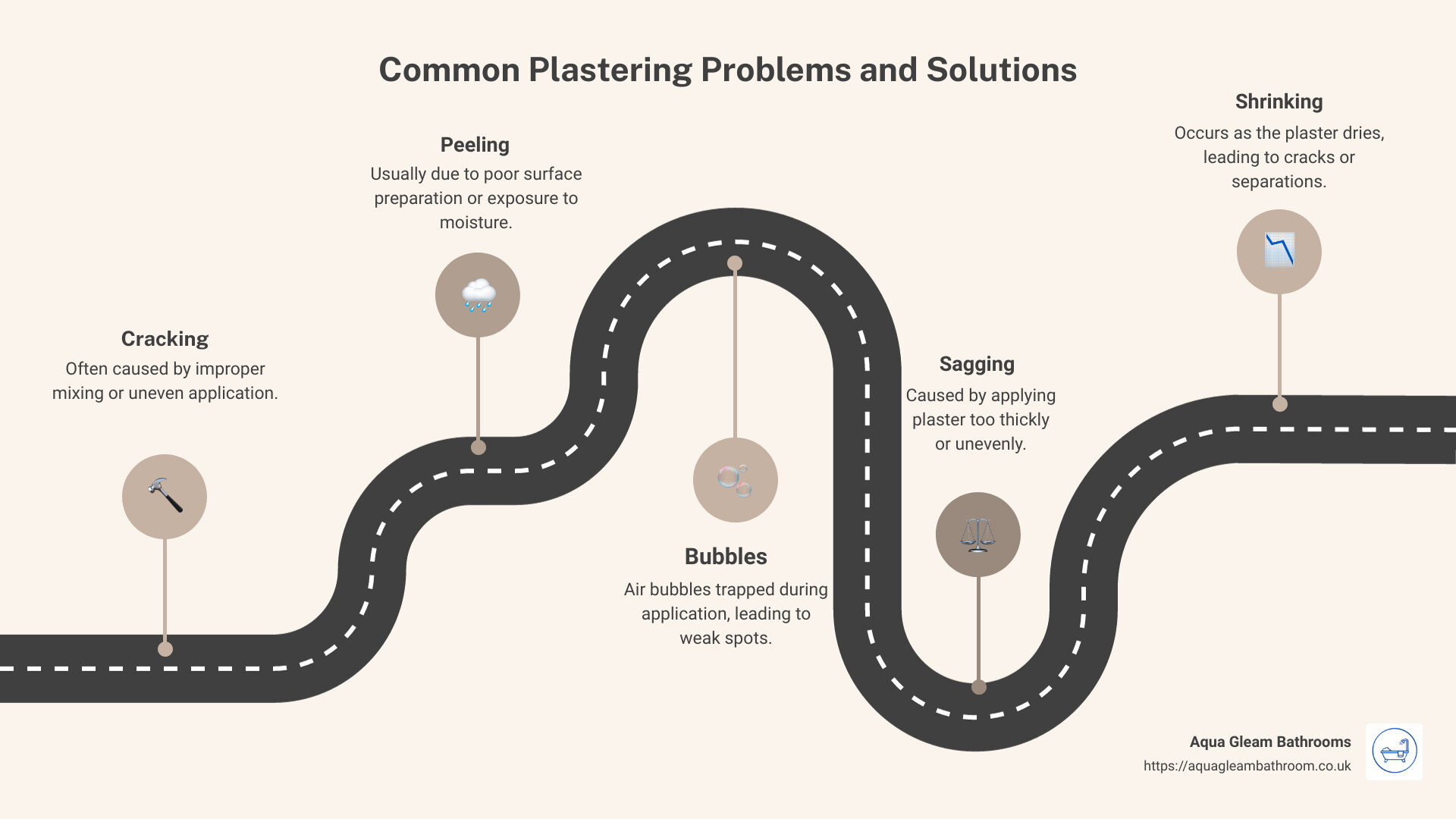
- Cracking: Often caused by improper mixing or uneven application.
- Peeling: Usually due to poor surface preparation or exposure to moisture.
- Bubbles: Air bubbles trapped during application, leading to weak spots.
- Sagging: Caused by applying plaster too thickly or unevenly.
- Shrinking: Occurs as the plaster dries, leading to cracks or separations.
- Non-90 degree walls: Impacts tiling and furniture layout.
Aqua Gleam Bathrooms is here to help you avoid these issues with expert craftsmanship and attention to detail. Our professional plastering services in Cardiff ensure that you achieve a flawless finish and improve your space’s aesthetic and functionality. We take pride in using high-quality materials and proven techniques to deliver outstanding results.
Common Plastering Problems
Cracking Plaster
Cracking plaster is a frequent issue that arises due to several factors. Hairline cracks are small, thin cracks that often result from natural material shrinkage or the settling of the building. These are usually cosmetic and not a structural threat. However, settlement cracks are more serious and resemble a staircase pattern, indicating potential structural issues. These cracks can arise from soil settling, moisture level changes, or freeze-thaw cycles.
How to Prevent It: Ensure proper mixing and application of plaster. Skilled masons should handle water addition to achieve the desired workability. Proper curing can also help in preventing rapid drying and subsequent cracking.
Peeling or Flaking Plaster
Peeling or flaking plaster can occur due to moisture infiltration, structural issues, or poor workmanship during the initial application. Moisture can seep into the plaster from leaks or high humidity, causing the plaster to lose its adhesion and start peeling.
How to Prevent It: Address any moisture issues at their source, ensure proper surface preparation, and use high-quality materials. If structural issues are present, they must be resolved before applying the plaster.
Discoloration
Discoloration of plaster surfaces can result from moisture exposure, mold growth, or chemical exposure. This not only affects the aesthetic appeal but can also indicate underlying problems.
How to Prevent It: Identify and eliminate sources of moisture. Use mold-resistant materials and ensure proper ventilation to prevent mold growth. Avoid exposure to harmful chemicals.
Blistering
Blistering involves the formation of small patches of plaster that swell out beyond the surface. This occurs due to uneven mixing or late slaking of lime particles in the plaster.
How to Prevent It: Ensure thorough and even mixing of plaster components. Properly slake lime before adding it to the mix.
Debonding
Debonding happens when the plaster separates from the wall. This can be due to an excessively thick plaster layer, inadequate substrate preparation, or a dusty, oily, or dry substrate.
How to Prevent It: Clean the substrate of any dust or oil before plastering. Allow the substrate to reach the correct moisture content and use bonding chemicals if necessary.
Efflorescence
Efflorescence appears as a whitish crystalline substance on the plaster surface, caused by soluble salts in the plaster or building materials. It affects the adhesion of paint and can lead to further problems.
How to Prevent It: Use construction materials that are free from salts and ensure the plaster surface is moisture-free before painting.
Popping
Popping occurs when contaminant particles like burnt lime or organic materials in the plaster mix expand and cause small bumps or holes.
How to Prevent It: Use clean, high-quality materials free from contaminants.
Loose Plaster
Loose plaster can result from external impacts, an improper mixture, or inadequate curing. This can lead to sections of plaster detaching from the wall.
How to Prevent It: Ensure a proper mix and thorough curing of the plaster. Protect plastered surfaces from external impacts during the drying process.
By understanding these common plastering problems and their causes, you can take preventive measures to ensure a smooth, durable finish for your walls. Aqua Gleam Bathrooms is committed to providing expert plastering services that address these issues with precision and care.

In the next section, we’ll discuss how to diagnose plastering problems effectively, ensuring timely solutions and long-lasting results.
Diagnosing Plastering Problems
To effectively manage plastering problems, early diagnosis is crucial. Here are some methods to identify and assess issues in plastered surfaces:
Straightedge Test
A straightedge test is a simple yet effective way to check for uneven surfaces. Place the straightedge against the wall and look for gaps between the wall and the straightedge. These gaps indicate uneven plastering, which can lead to more significant problems if not addressed.
Sunlight Shadows
Natural sunlight can reveal imperfections that artificial lighting might miss. Observe the plastered surface during different times of the day. Shadows cast by sunlight can highlight ridges, valleys, and other irregularities.
Bright Light
Using a bright light source, such as a flashlight, can also help spot imperfections. Shine the light at various angles to the plastered surface. This technique can reveal small cracks, bubbles, or other defects that are not immediately visible.
Smoothness Test
Running your hand over the plastered surface is a tactile way to diagnose problems. Feel for any rough patches, bumps, or indentations. A smooth surface indicates good workmanship, while any irregularities suggest potential issues.
By using these diagnostic methods, you can identify plastering problems early and take appropriate action to fix them. This proactive approach ensures a durable and aesthetically pleasing finish for your walls.
In the next section, we’ll explore how to prevent plastering problems through proper techniques and best practices.
Preventing Plastering Problems
Preventing plastering problems starts with a strong foundation of proper techniques and best practices. Here’s what you need to know to ensure a flawless finish:
Proper Mixing Techniques
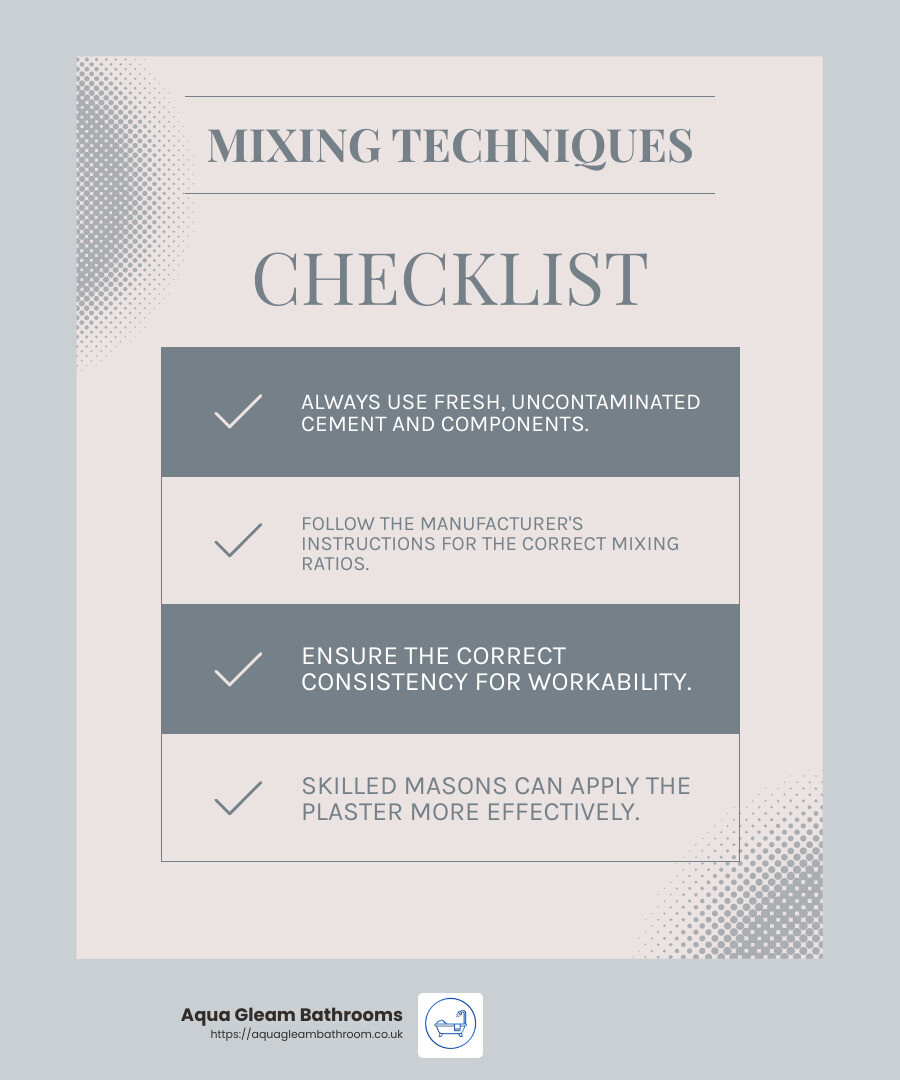
Proper mixing is the backbone of successful plastering. Using the right ratio of cement, sand, and water is crucial. Always follow the manufacturer’s instructions for mixing.
- Cement and Components: Ensure the cement and other components are fresh and not contaminated. Old or compromised materials can weaken the plaster.
- Skilled Mason: A skilled mason knows how to achieve the right consistency, ensuring the plaster is workable and easy to apply.
Substrate Preparation
Substrate preparation is equally important. The surface must be clean, free from dust, oil, and other contaminants.
- Dust Removal: Use a brush or vacuum to remove all dust.
- Oil Removal: Clean any oily spots with a suitable cleaner.
- Correct Moisture Content: The surface should be slightly damp but not wet. Proper moisture helps the plaster bond better.
Curing Techniques
Curing is a critical step that ensures the plaster sets properly.
- Slow Drying: Allow the plaster to dry slowly to prevent cracks. Rapid drying can cause the plaster to shrink and crack.
- Proper Curing: Follow the recommended curing times as specified by the plaster manufacturer.
- Avoiding Rapid Drying: Protect the plaster from direct sunlight and strong winds during the drying process.
Skilled Workmanship
Lastly, skilled workmanship is essential. Experienced plasterers bring attention to detail and use high-quality tools to achieve a perfect finish.
- Experienced Plasterers: Hiring experienced plasterers ensures the job is done right the first time.
- Attention to Detail: Good plasterers pay attention to every detail, from mixing to application.
- High-Quality Tools: Using the right tools, such as straightedges and trowels, helps in achieving a smooth and even surface.
By following these best practices, you can prevent common plastering problems and ensure a durable, aesthetically pleasing finish for your walls.
In the next section, we’ll discuss solutions for various plastering problems, including professional assessment and repair methods.
Solutions for Plastering Problems
Even with the best prevention methods, plastering problems can still arise. Here’s how to tackle them effectively:
Professional Assessment
A professional assessment is crucial for identifying the root cause of plastering issues. Construction professionals can evaluate the underlying problems and determine if there are structural issues that need addressing.
Example: Stair-step cracks often indicate deeper structural problems. A construction professional can assess if soil settling or moisture levels are affecting your home’s foundation.
Repair Methods
Once the underlying issues are identified, the next step is to repair the plaster. Here are some common methods:
- Latex Plaster Key Liquid: This helps in bonding new plaster to old surfaces, ensuring a strong adhesion.
- Ready Mixed Plaster Filler: Ideal for small cracks and holes, this filler is easy to apply and sand smooth once dry.
- Stain-Blocking Primer: If moisture has caused discoloration, a stain-blocking primer can seal the area before repainting.
Repainting
If the plaster issue is mainly cosmetic, repainting can be a straightforward solution. However, it’s essential to address any moisture problems first.
- Moisture Issue Repair: Ensure the source of moisture is fixed to prevent future problems.
- Specialized Cleaning: Clean the affected areas thoroughly to remove any mold or mildew.
- Repainting Techniques: Use high-quality paint and primers to ensure a lasting finish.
Replacing Plaster
In some cases, replacing the plaster may be the best option, especially if it was incorrectly installed or severely damaged.
- Professional Removal: Hire professionals to remove the old plaster carefully to avoid damaging the underlying structure.
- New Application: Ensure the new plaster is applied correctly, following all best practices for mixing, substrate preparation, and curing.
By following these steps, you can effectively solve plastering problems and restore your walls to their original condition. Next, we’ll dive into frequently asked questions about plastering problems and solutions.
Frequently Asked Questions about Plastering Problems and Solutions
What are the three main plaster defects?
When it comes to plastering, three main defects frequently occur:
-
Non-structural cracks: These are hairline cracks that appear due to natural settling, shrinkage, or minor movements. They are usually not a cause for concern but can be unsightly.
-
Structural cracks: These are more serious and can indicate underlying issues like foundation problems or significant structural movement. They often appear as wide or diagonal cracks.
-
Debonding: This happens when the plaster separates from the wall, often due to improper substrate preparation or the application of an excessively thick plaster layer.
How to tell a bad plastering job?
Spotting a bad plastering job is easier than you might think. Here are a few simple tests:
-
Straightedge Test: Place a straightedge or a level against the wall. If there are significant gaps between the wall and the straightedge, the plastering is uneven.
-
Sunlight Shadows: Observe the wall in natural sunlight. Shadows and uneven lighting can highlight imperfections in the plastering.
-
Smoothness Test: Run your hand over the plastered surface. A well-done plaster job should feel smooth and even, without noticeable ridges or rough patches.
How do you fix badly plastered walls?
Fixing badly plastered walls depends on the extent of the damage. Here are some effective solutions:
-
Latex Plaster Key Liquid: This product helps bond new plaster to old surfaces, ensuring strong adhesion and reducing the risk of future debonding.
-
Ready Mixed Plaster Filler: Ideal for small cracks and holes, this filler is easy to apply and can be sanded smooth once dry. It’s a quick fix for minor imperfections.
-
Professional Repair: For extensive damage or structural issues, it’s best to call in a professional. They can assess the problem, recommend the best course of action, and ensure a high-quality repair job.
By understanding these plastering problems and solutions, you can better maintain the walls in your home and ensure they look their best.
Conclusion
At Aqua Gleam Bathrooms, we understand that plastering is more than just a finishing touch—it’s the foundation of a beautiful and functional space. Our expertise in handling plastering problems and solutions ensures that every project we undertake meets the highest standards of quality and durability.
Professional Services
Our team of skilled professionals is dedicated to providing top-notch plastering services. Whether you’re dealing with cracking plaster, peeling, discoloration, or any other issue, we have the experience and tools to diagnose and fix the problem efficiently.
High-Quality Workmanship
We pride ourselves on our attention to detail and commitment to excellence. Our plasterers use only the best materials and latest techniques to ensure your walls are smooth, even, and long-lasting. From proper substrate preparation to skilled application and curing, we leave no stone unturned in delivering impeccable results.
Attention to Detail
Every project is unique, and we approach each one with a keen eye for detail. We listen to your needs, assess the specific conditions of your space, and tailor our solutions to meet your requirements. Our goal is to not only fix the existing problems but also to prevent future issues, ensuring your walls remain in pristine condition for years to come.
For reliable and high-quality plastering services, trust the experts at Aqua Gleam Bathrooms. Visit our plastering services page to learn more about how we can help you revitalize your space.
By choosing Aqua Gleam Bathrooms, you’re opting for professionalism, quality, and peace of mind. Let us help you create the perfect finish for your home.