
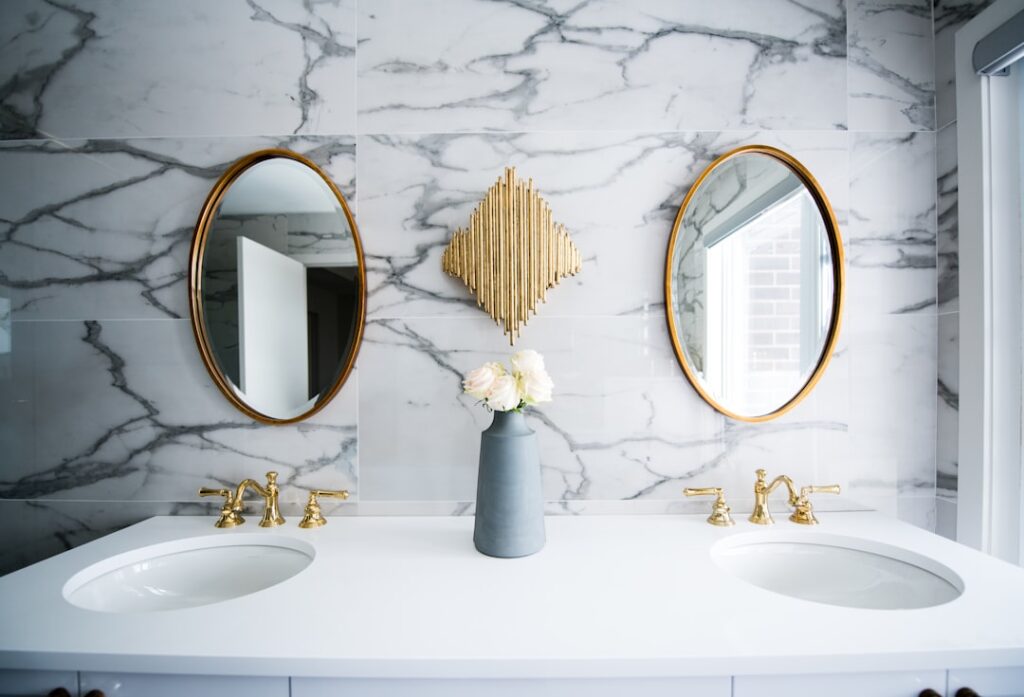
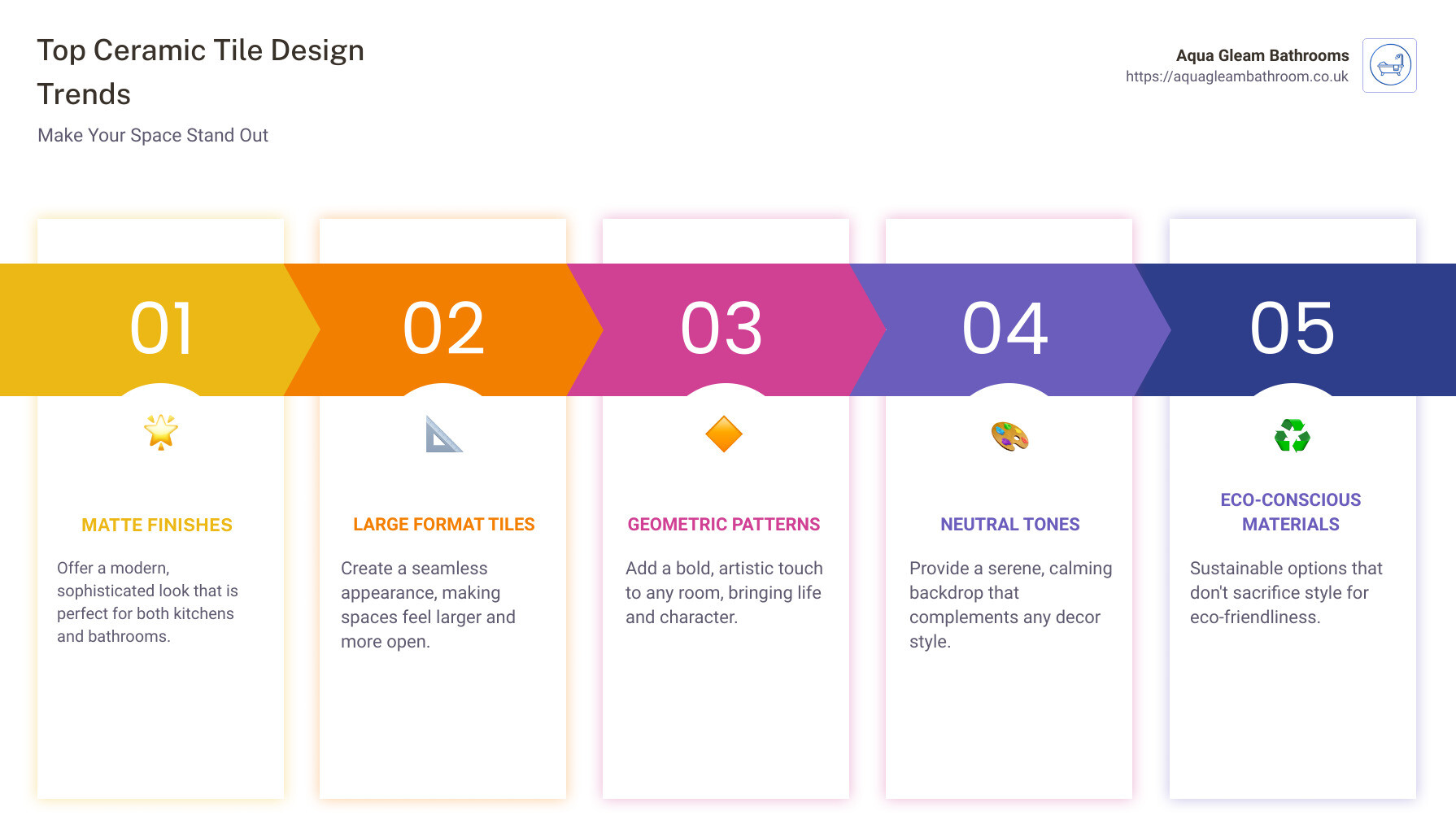
When searching for ceramic tile design, knowing the latest trends and understanding the importance of design choice can greatly influence the overall aesthetic and functionality of your space. Here’s a quick snapshot to get you started:
- Trends: Matte finishes, large format tiles, and geometric patterns are currently in.
- Design Importance: The right design can enhance the room’s appearance, make spaces feel larger, or add a unique character.
Whether you’re upgrading your space or embarking on a new construction, choosing the right ceramic tile design is pivotal. But if the sea of options feels overwhelming, don’t worry – you’re not alone. Let’s dive into how these elements play a crucial role in transforming your kitchen or bathroom into a place you love.
Ceramic Tile Trends and the Importance of Design
Ceramic tiles have stood the test of time in home decor. Their durability, water resistance, and easy maintenance, coupled with endless design possibilities, make them an ideal choice for both bathrooms and kitchens. But beyond practicality, the design of your ceramic tiles can dramatically alter the look and feel of your rooms. From soothing neutral tones that create a serene space to bold patterns that make a statement, the design you choose sets the tone for your entire home.
In this modern era, homeowners in Cardiff and beyond are looking for designs that not only suit their aesthetic but also embody a sense of individuality and eco-consciousness. Understanding the current trends, the significance of an appealing design, and how to align them with your preferences and the character of your home is the first step towards achieving a space that’s both beautiful and functional.
Understanding Ceramic Tile Types
When diving into ceramic tile design, it’s crucial to get familiar with the basic types of tiles available. Each type has its unique characteristics and suitability for different areas of your home. Let’s explore the main varieties: Glazed, Unglazed, and Porcelain.
Glazed Ceramic Tiles
Glazed tiles are known for their protective layer or coating of liquid glass. This coating is what gives the tiles their color, design, and added protection. They are:
– Water-resistant: Making them perfect for bathrooms and kitchens.
– Easy to clean: A simple wipe can make them look as good as new.
– Variety of finishes: From high gloss to matte, offering flexibility in design.
However, they can be slippery when wet, especially if they have a high-gloss finish. Choosing a textured glazed tile can provide better slip resistance.
Unglazed Ceramic Tiles
Unglazed tiles offer a more natural and earthy look. They lack the shiny finish of glazed tiles but are known for their:
– Durability: More suited for high-traffic areas.
– Natural colors: Their color comes from the clay they are made from, giving a more uniform color throughout the tile.
– Slip resistance: Generally, they offer better slip resistance than glazed tiles.
Unglazed tiles require sealing to protect them from stains and moisture.
Porcelain Tiles
Porcelain tiles are a subtype of ceramic tiles made from finer clay and fired at higher temperatures. They are:
– Highly durable: Making them ideal for both indoor and outdoor use.
– Low porosity: They are less likely to absorb moisture, which makes them excellent for bathrooms.
– Variety of designs: Available in a wide range of colors and patterns, including designs that mimic natural stone or wood.
Porcelain tiles are generally more expensive than traditional ceramic tiles but offer longevity and durability worth the investment.
For those interested in eco-friendly options, it’s worth noting that some manufacturers produce porcelain and ceramic tiles using recycled materials. These sustainable choices not only contribute to a greener planet but also bring a unique story to your space .
Choosing between glazed, unglazed, and porcelain tiles depends on the specific needs of your space, your design preferences, and your budget. Whether you’re drawn to the protective shine of glazed tiles, the natural beauty of unglazed tiles, or the unparalleled durability of porcelain, there’s a ceramic tile type that’s right for your project.
Understanding these options is a solid foundation for making informed decisions in your ceramic tile design process, ensuring your space not only looks spectacular but also functions well for years to come.
Next, we’ll dive into how to choose the right color scheme, an essential aspect that can dramatically affect the mood and feel of your room.
Choosing the Right Color Scheme
When it comes to ceramic tile design, the color scheme you choose plays a pivotal role in setting the tone and atmosphere of your space. Whether you’re aiming for a serene retreat or a vibrant gathering spot, the colors on your walls and floors can significantly impact the room’s overall vibe. Let’s explore how to nail the perfect color scheme with neutral tones, bold accents, and savvy color matching.
Neutral Tones
Neutral tones are the backbone of timeless design. They create a serene and expansive feel, making them perfect for any room size, especially smaller spaces that benefit from the illusion of more space. Whites, beiges, and soft greys are not only versatile but also help reflect light, making your room appear brighter and more welcoming. A neutral palette serves as a canvas, allowing you to layer in texture, pattern, and color through accessories and furnishings without overwhelming the space. Adopting a neutral color scheme doesn’t mean your design has to be dull. It’s all about balance and subtlety, ensuring your space feels cohesive and thoughtfully put together .
Bold Accents
While neutral tones provide a calm base, introducing bold accents can add depth and character to your room. Think of bright-colored cupboards in a kitchen or a vibrant backsplash in a bathroom. These elements can serve as focal points, adding a lively touch to the overall design. When incorporating bold accents, consider the room’s existing color palette and aim for colors that complement or contrast beautifully without clashing. For instance, a deep blue accent wall can add a sophisticated pop of color to a kitchen with neutral cabinetry.
Color Matching
Color matching is crucial in creating a harmonious space. It’s not just about choosing colors that go well together but also about considering the room’s natural and artificial lighting, which can significantly affect how colors appear. For ceramic tile design, bring tile samples home and observe how they look under different lighting conditions throughout the day. This approach ensures the colors you select will look consistent and as intended in your space. Additionally, consider the color of adjacent rooms for a cohesive flow throughout your home.
To ensure a successful ceramic tile design, start with a neutral base, add bold accents for character, and carefully match colors, keeping lighting and overall flow in mind. This strategy will help you create a space that’s both stylish and comfortable, reflecting your unique taste and personality.
Moving on, understanding the importance of tile size and shape is another critical aspect of ceramic tile design, influencing not only the aesthetics but also the feel of the space.
The Importance of Tile Size and Shape
When diving into ceramic tile design, the size and shape of the tiles you choose can dramatically alter the look and feel of your room. Let’s explore why these aspects are so crucial and how they can impact your design project.
Large Format Tiles
Large format tiles have become increasingly popular in modern design for several reasons. Firstly, they give a space a sleek and unified look, with fewer grout lines breaking up the visual flow. This can make a room feel larger and more open, an effect that’s highly sought after in both residential and commercial spaces. Additionally, large tiles can be easier to clean due to the reduced number of grout lines, a practical benefit that shouldn’t be overlooked.
Mosaic Tiles
On the flip side, mosaic tiles offer a completely different aesthetic and set of advantages. These small, often colorful tiles can be used to create intricate patterns and designs, adding a unique character to any space. Mosaics are particularly popular for backsplashes, shower floors, and as accent pieces within larger tile installations. They provide an excellent opportunity to inject personality and flair into your ceramic tile design.
Geometric Shapes
Incorporating geometric shapes into your tile design can create stunning visual interest and a contemporary vibe. Geometric tiles can range from simple squares and rectangles to more complex shapes like hexagons and chevrons. These shapes can be used to craft bold patterns, mimic the appearance of woven fabrics, or even create optical illusions that make a space feel larger. The versatility of geometric tiles means they can be adapted to suit a wide range of design aesthetics, from ultra-modern to classically elegant.

The choice of tile size and shape should be guided by the overall design goals of your project. Larger tiles can help achieve a minimalist, open look, while smaller tiles, like mosaics, are perfect for adding detail and texture. Geometric shapes offer a middle ground, allowing for creative patterns that can either complement or become the centerpiece of a room’s design.
When selecting your tiles, consider not only the immediate visual impact but also how they will interact with the room’s lighting, the colors of the walls and fixtures, and the functional needs of the space. For example, in areas prone to moisture, like bathrooms, choosing tiles with a textured surface can provide added slip resistance, enhancing both the safety and functionality of the room .
By carefully considering the size and shape of your ceramic tiles, you can significantly influence the overall ambiance and usability of your space. Whether you’re drawn to the expansive feel of large format tiles, the intricate detail of mosaics, or the dynamic patterns of geometric shapes, these elements are key to achieving a cohesive and compelling ceramic tile design.
Innovative Layout Patterns
When you dive into ceramic tile design, the layout pattern you choose can transform a simple space into a masterpiece of design and functionality. Among the most creative patterns that can set your space apart are the Herringbone, Chevron, and Basketweave. Let’s break down why these patterns are not just choices but statements in their own right.
Herringbone
This timeless pattern, characterized by rectangular tiles arranged in a zigzag pattern, brings a sense of movement and texture to your space. Its visual appeal lies in its ability to guide the eye, making spaces seem larger and more dynamic. The Herringbone pattern is especially suited for floors and backsplashes, adding depth and intrigue.
Chevron
Similar to Herringbone, the Chevron pattern utilizes angled cuts to create a sharp, V-shaped point. This pattern is a go-to for those looking to inject a modern twist into their space. Its continuous zigzag flow offers a seamless look that can make any room appear more elongated and elegant.
Basketweave
The Basketweave pattern mimics the crisscross texture of a woven basket, offering a tactile and visually engaging surface. This classic design can add a touch of vintage charm or, when used with contemporary tile designs, can feel entirely modern. It’s particularly effective in bathroom floors or kitchen backsplashes, where its intricate pattern can stand out as a focal point.
Choosing the right layout pattern is more than just a matter of aesthetics; it’s about making a space feel uniquely yours. Whether you’re drawn to the elegance of Chevron, the dynamic movement of Herringbone, or the textured charm of Basketweave, each pattern offers a unique way to enhance the character of your rooms.
The layout can significantly affect how the tile plays with light, the perception of space, and the overall atmosphere of a room. For instance, the Herringbone pattern can make a narrow hallway feel wider, while the Chevron pattern can lead the eye in a specific direction, creating a sense of flow through a space.
For those looking to explore these patterns further, Aqua Gleam Bathrooms provides insights and expertise to bring these innovative layouts to life in your home, transforming ordinary spaces into remarkable interiors .
Keep in mind the power of these patterns to transform a space. Next, we’ll delve into how incorporating textures and finishes can further elevate your ceramic tile design, making each room not just seen but felt.
Incorporating Textures and Finishes
When you think about ceramic tile design, the texture and finish of the tiles can dramatically affect the look and feel of your space. Here’s how you can use Matte, Glossy, and Textured surfaces to your advantage.
Matte Finish
- Visual Appeal: Matte tiles offer a soft, understated look. They don’t reflect light, making them perfect for a modern, sleek aesthetic.
- Practicality: They’re less slippery when wet, making matte tiles a safer choice for bathrooms and kitchens.
- Maintenance: Matte tiles hide smudges and watermarks better than glossy tiles, making them easier to maintain.
Glossy Finish
- Brighten Spaces: Glossy tiles reflect light, helping to make small or dark rooms appear brighter and more spacious.
- Easy to Clean: These tiles are easy to wipe down, making them a hygienic choice for any room.
- Style Note: While they add a luxurious shine, glossy tiles can show up fingerprints and smudges more easily. They can also be slippery when wet.
Textured Surfaces
- Aesthetic Variety: Textured tiles can mimic other materials like wood, stone, or fabric, adding depth and interest to your ceramic tile design.
- Enhanced Grip: Their uneven surface offers better slip resistance, an excellent feature for shower floors or any area prone to moisture.
- Feel of Luxury: The texture adds a tactile dimension to your space, making it not just a visual but also a sensory experience.
Combining Textures
Mixing matte and glossy finishes or incorporating textured tiles can create a dynamic space full of contrast and interest. For example, a kitchen backsplash with glossy tiles can be complemented by matte floor tiles for a balanced look.
Grout Color and Its Impact
Choosing the right grout color can further enhance the effect of your chosen textures and finishes. A contrasting grout with a textured tile can highlight the unique pattern, while color-matched grout can create a seamless look for glossy finishes.
Incorporating various textures and finishes into your ceramic tile design allows you to personalize your space fully. Whether you prefer the elegance of glossy tiles, the practicality of matte finishes, or the rich variety of textured surfaces, there’s no limit to how you can express yourself. The goal is to not just see the beauty of your space but to feel it under your fingertips.
As we continue to explore the elements of ceramic tile design, consider how lighting plays a crucial role in bringing out the best in your tiles. Stay tuned to learn more about how to use lighting effectively in your next project.
Accent Tiles and Feature Walls
When diving into ceramic tile design, don’t underestimate the power of accent tiles and feature walls. These are not just elements; they’re transformative tools that can elevate a space from ordinary to extraordinary.
Decorative tiles can act as art pieces in themselves. Imagine a splash of vibrant colors or intricate patterns against a backdrop of more subdued tiles. This contrast not only draws the eye but also injects personality into your space. Whether it’s a strip of ornately patterned tiles amidst a sea of simplicity or a singular, bold piece serving as a focal point, decorative tiles are a testament to your style and creativity.
Mural tiles take this concept further, telling a story across your wall. They can depict anything from serene landscapes to abstract compositions, offering a unique opportunity to incorporate art into your kitchen or bathroom. Mural tiles can transform a wall into a focal point, making it not just part of your room, but a centerpiece of your home’s aesthetic.
The backsplash is another area where creativity can run wild. As noted in “Unveiling Creative Kitchen Designs for Small Rooms,” a well-placed geometric pattern or a pop of color in the backsplash can not only protect your walls but also serve as a stunning visual anchor, drawing attention and making the space seem larger and more inviting . This area, often overlooked, is ripe for innovation, allowing you to play with textures, colors, and patterns in a way that can complement or contrast the rest of your kitchen design.
When selecting accent tiles and planning your feature wall, consider the overall theme of your room. Do you want to create a bold statement or a subtle nod to your design ethos? The beauty of ceramic tile design lies in its versatility. Whether you’re leaning towards a modern, sleek look with metallic mural tiles or a rustic charm with hand-painted decorative pieces, the key is in the details.
The goal is not just to see the beauty of your space but to feel it. Accent tiles and feature walls are not just design elements; they are expressions of your personality and taste. With careful selection and strategic placement, they can transform a simple room into a reflection of your unique style.
Let’s delve into how the choice of grout color can significantly impact the overall look and feel of your tile design. Stay tuned to uncover the secrets of using grout to your advantage.
Grout Color and Its Impact
When it comes to ceramic tile design, the devil truly is in the details. And one detail that often gets overlooked is the grout color. The right grout can transform your tiles from “just okay” to “wow”. Let’s break down why this is and how you can make the best choice for your space.
Contrasting Grout
Using a grout color that contrasts with your tiles can really make your design pop. Imagine a white subway tile with a dark gray or even black grout. The contrast outlines each tile, adding depth and interest to your walls or floors. It’s a bold move that can pay off by giving your space a striking, graphic look.
Color-matched Grout
On the other hand, choosing a grout color that closely matches your tiles offers a more subtle, cohesive look. This approach is great for creating a serene, uniform space where the tiles seamlessly blend together. It’s perfect for smaller spaces where you want to avoid visual clutter, or when you want the shape of the tile itself, rather than the layout pattern, to stand out.
Grout Maintenance
Beyond aesthetics, the color of your grout can also impact maintenance. Light-colored grout might seem like a safe choice, but it can show stains and discoloration more easily than darker grout. Darker grout, while less likely to show stains, can fade over time, especially if exposed to direct sunlight. It’s important to seal your grout properly, no matter what color you choose, to protect against staining and make cleaning easier.
Selecting the right grout color is more than just picking a shade you like; it’s about enhancing your ceramic tile design to best suit your space. Whether you go for a bold contrast, a subtle match, or somewhere in between, grout plays a crucial role in your tile’s appearance and longevity.
As we continue to explore the nuances of ceramic tile design, each choice you make, from tile type to layout pattern to grout color, contributes to the unique story of your space. Next up, we’ll dive into how lighting can dramatically affect how your tiles look and feel, further emphasizing the importance of thoughtful design decisions.
Lighting and Its Effect on Tile Appearance
Lighting isn’t just a functional necessity in your home; it’s a design tool that can significantly impact the appearance and ambiance of your ceramic tile design. Let’s explore how different types of lighting can change the way your tiles look and feel.
Natural Light
Natural light is a designer’s best friend, especially when it comes to showcasing ceramic tiles. The soft, diffused light from the sun can highlight the subtle textures and colors in your tiles, making them look more vibrant and inviting. To maximize natural light, consider installing larger windows or skylights, and use light-colored curtains or blinds to allow as much sunlight in as possible without overpowering the space.
LED Lighting
LED lighting is a versatile and energy-efficient option for illuminating your ceramic tiles. It can be used in various forms, including recessed lights, under-cabinet lighting, and even within toe-kicks to create a floating effect. LED lights come in a range of color temperatures, allowing you to choose a warmer or cooler tone depending on the mood you want to set. Cooler tones can make white or light-colored tiles look crisper, while warmer tones can enhance the richness of darker or more colorful tiles.
Accent Lighting
Accent lighting, such as pendant lights or spotlights, can be used to draw attention to specific areas of your ceramic tile design. For example, installing accent lighting above a beautifully tiled backsplash or a decorative tile mural can turn these areas into focal points of the room. Accent lighting not only highlights the beauty of your tiles but also adds depth and dimension to the space.
Lighting plays a crucial role in how we perceive color and texture, making it an essential element to consider in any ceramic tile design project. By carefully selecting and positioning lighting sources, you can enhance the visual appeal of your tiles and create a space that feels both beautiful and functional. The right lighting can transform the look of your tiles, making them a standout feature in your home. For more insights on illuminating your space effectively, check out our guide on creative kitchen designs for small rooms.
Keep in mind how lighting, alongside other design choices, plays into the broader narrative of your space. Up next, we’ll delve into sustainable and eco-friendly options for ceramic tile design, highlighting how you can make environmentally conscious choices without compromising on style.
Sustainable and Eco-Friendly Options
When it comes to ceramic tile design, making choices that are kind to the planet is more than just a trend; it’s a responsibility. Let’s explore how you can embrace sustainability in your tile choices, ensuring your project not only looks good but also benefits the environment.
Recycled Materials
Opting for ceramic tiles made from recycled materials is a fantastic way to reduce your environmental impact. These tiles often come from pre-consumer and post-consumer glass, old ceramic tiles, and even waste materials from mining processes. Not only do they help in minimizing waste, but they also require less energy to produce. Choosing tiles made with recycled content doesn’t mean sacrificing style or durability. Many of these eco-friendly options are just as beautiful and long-lasting as their conventional counterparts.
Low VOC Glazes
Volatile Organic Compounds (VOCs) are not just harmful to the environment; they can also affect indoor air quality and lead to health issues. Selecting ceramic tiles with low VOC glazes ensures that your beautiful space remains safe for its inhabitants. These glazes contribute to better air quality inside your home while still providing the durability and shine you expect from high-quality ceramic tiles.
Energy-Efficient Manufacturing
The process of making ceramic tiles can be energy-intensive, but thanks to advancements in manufacturing technology, there are now options that are much kinder to our planet. Seek out manufacturers who use renewable energy sources or who have implemented energy-saving measures in their production processes. These efforts significantly reduce the carbon footprint of your tiles.
Incorporating these sustainable and eco-friendly options in your ceramic tile design not only contributes to the well-being of the environment but also sets a standard for responsible design. Whether you’re renovating a space or starting from scratch, choosing materials that align with these principles can make a big difference.
For more insights on making eco-friendly choices for your home, check out Some Things To Consider When Buying Bathroom Tiles, where sustainability and the environment are highlighted as key considerations in your selection process.
Next, we’ll wrap up with a look at Aqua Gleam Bathrooms’ approach to design personalization and the exciting future trends in ceramic tile design.
Conclusion
As we wrap up our journey through ceramic tile design, it’s clear that the possibilities are as endless as they are exciting. At Aqua Gleam Bathrooms, we’ve always believed that the foundation of a stunning and functional space lies in the details – and ceramic tiles offer the perfect canvas for expression.
Design personalization stands at the heart of what we do. We understand that each home tells a story, and every homeowner has a unique vision. That’s why we collaborate closely with you, exploring an array of ceramic tile designs, colors, textures, and patterns to find the perfect match for your space. Our team is passionate about bringing your dream bathroom or kitchen to life, ensuring the end result not only meets but exceeds your expectations.
Looking towards the future trends in ceramic tile design, we’re excited by the innovations on the horizon. The industry is moving towards more sustainable and eco-friendly options, with recycled materials and low VOC glazes becoming increasingly popular. We’re also seeing a shift towards bold, artistic expressions in tile layouts and designs, with personalized murals and decorative tiles setting the tone for spaces that truly stand out.
At Aqua Gleam Bathrooms, we’re committed to staying at the forefront of these trends, offering you the latest in design and technology. Whether you’re looking to refresh your space with timeless elegance or make a bold statement, we’re here to guide you every step of the way.
Thank you for joining us on this exploration of ceramic tile design. We hope you’ve been inspired to think outside the box and envision the endless possibilities that tiles can bring to your home. Whether it’s selecting the perfect tile or ensuring a flawless installation, our team at Aqua Gleam Bathrooms is here to help. Don’t hesitate to reach out and start your transformation journey today. Let’s create something beautiful together.
Discover more about how we can bring your vision to life and stay ahead of design trends by visiting our website: Unleash Your Creativity with These Bathroom Flooring Ideas.
Here’s to creating spaces that reflect your style, personality, and the future of design.