Understanding Ceramic Tiling Costs
When planning a home renovation, particularly in key areas like bathrooms and kitchens, understanding ceramic tiling price per m2 is a critical factor. This can help you set realistic budgets and avoid unexpected financial surprises. Here’s what you need to know right up front:
- Average Cost Range: Typically, ceramic tiling costs range from £20 to £40 per m2 depending on various factors.
- Tile Type and Quality: Higher-quality and specialty tiles will drive up the price per square meter.
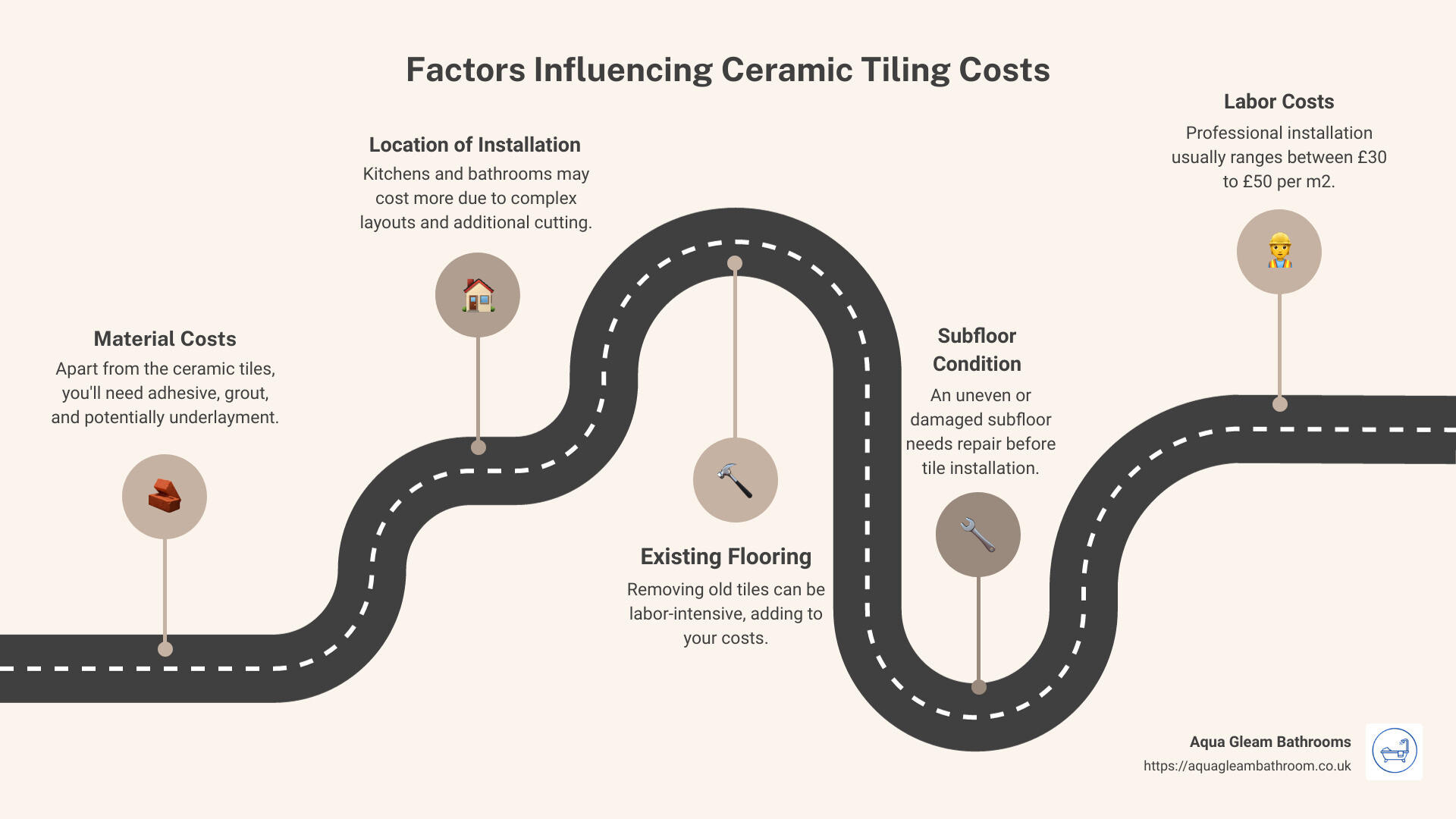
- Labor Costs: Professional installation usually ranges between £30 to £50 per m2.
- Additional Materials: Adhesive, grout, and underlayment can add to overall expenses.
Effective management of ceramic tile installation can greatly influence the cost. Whether you’re redoing your bathroom or giving your kitchen a facelift, knowing the contributing factors is key.
Importance of Understanding Ceramic Tiling Costs
Investing in ceramic tiles isn’t just about making your home look better. It can also improve functionality and durability, especially in high-traffic areas. However, the cost can add up, and being unaware of all the influencing factors can lead to budget overruns.
Key Cost Factors
Your total expenditure on ceramic tiles can be influenced by several elements:
- Materials: Apart from the ceramic tiles, you’ll need adhesive, grout, and potentially underlayment.
- Location of Installation: Kitchens and bathrooms may cost more due to complex layouts and additional cutting.
- Existing Flooring: Removing old tiles can be labor-intensive, adding to your costs.
- Subfloor Condition: An uneven or damaged subfloor needs repair before tile installation.
By understanding these factors, you’ll be better prepared to manage your budget effectively.
Navigating the costs associated with ceramic tiling can be tricky, but with the right information, you can make informed decisions and ensure your home renovation project stays within budget.
Ceramic tiling price per m2 terms explained:
– ceramic tile installation
– laying ceramic tile in a bathroom
– tiling a bathroom floor
Factors Influencing Ceramic Tile Installation Costs
When budgeting for ceramic tile installation, several factors come into play. Understanding these can help you manage your project costs effectively.
Tile Type
The type of tile you choose has a significant impact on the overall cost. Here’s a quick breakdown:
- Glazed Ceramic Tiles: These tiles have a smooth, shiny surface and are easy to clean. They cost between £15 and £30 per m2 for materials alone.
- Unglazed Ceramic Tiles: More natural and slip-resistant, unglazed tiles are durable but harder to clean. Expect to pay between £20 and £40 per m2.
- Porcelain Tiles: Denser and more water-resistant, porcelain tiles are ideal for wet areas like bathrooms. Prices range from £25 to £50 per m2.
Room Size
The size of the room directly influences the total cost. Larger areas require more tiles, leading to higher expenses.
- Square Footage: Calculate the area in square meters to estimate the number of tiles needed. Always buy 20% extra tiles to account for breakage and cutting.
- Additional 20% for Breakage: This extra ensures you have enough tiles to cover mistakes and future repairs without having to match batches later.
Labor Costs
Labor costs can vary widely based on several factors. Here’s what you need to know:
- National Average: Professional installation typically costs between £30 to £50 per m2.
- Per Square Foot: Some installers may charge per square foot, translating to £3 to £5 per square foot.
- Hourly Rates: Labor rates can range from £40 to £120 per hour, depending on location and project complexity.
Additional Costs
Several additional costs can affect your budget.
- Tile Removal: If you need to remove existing tiles, this can add £10 to £20 per m2.
- Subfloor Repair: An uneven or damaged subfloor needs repair before installation. Costs can range from £50 to £200 depending on the extent of the damage.
- Wall Repair: If tiling walls, you may need to fix issues like holes, cracks, or water damage. These repairs can cost between £50 and £800.
- Tile Patterns: Intricate designs like herringbone or mosaic can increase labor costs by 10% to 20% due to the additional time and skill required.
By considering these factors, you can better estimate your ceramic tiling costs and avoid unexpected expenses. Next, let’s dig into the Ceramic Tiling Price per m2 to give you a clearer picture of what to expect.
Ceramic Tiling Price per m2
When planning your ceramic tile installation, understanding the price per m2 is crucial. This section will break down the costs by tile type and shape, giving you a comprehensive view of what to expect.
Cost by Tile Type
Different types of ceramic tiles have varying costs due to their materials, durability, and specific features.
Glazed Ceramic Tiles:
– Average Cost: £15 to £30 per m2
– Features: Smooth, shiny surface, easy to clean
– Best For: Kitchens, bathrooms, low-traffic areas
Unglazed Ceramic Tiles:
– Average Cost: £20 to £40 per m2
– Features: Natural look, slip-resistant, more durable but harder to clean
– Best For: Outdoor projects, high-traffic areas
Porcelain Tiles:
– Average Cost: £25 to £50 per m2
– Features: Denser, highly water-resistant even without glazing
– Best For: Bathrooms, kitchens, and other wet areas
Cost by Tile Shape
The shape of the tile can significantly impact the cost due to differences in material use and installation complexity.
Square Tiles:
– Average Cost: £15 to £25 per m2
– Features: Classic choice, versatile for floors and walls
– Best For: General flooring, walls
Rectangular Tiles:
– Average Cost: £20 to £35 per m2
– Features: Also known as subway tiles, popular for backsplashes and showers
– Best For: Backsplashes, shower walls
Hexagonal Tiles:
– Average Cost: £30 to £50 per m2
– Features: Unique six-sided shape, adds character and style
– Best For: Bathrooms, kitchens, accent walls
Mosaic Tiles:
– Average Cost: £40 to £60 per m2
– Features: Small pieces of glass, stone, or ceramic, used for intricate designs
– Best For: Backsplashes, bathroom floors, pools
Customized or Non-Traditional Tiles:
– Average Cost: Varies widely, starting from £50 per m2
– Features: Custom shapes and designs, can be hand-painted
– Best For: Unique, personalized spaces
Factors Affecting Price
Several factors can influence the ceramic tiling price per m2:
- Material Quality: Higher quality materials will obviously cost more.
- Design Complexity: Intricate patterns or custom designs increase both material and labor costs.
- Location: Installation in challenging areas like angled floors or high ceilings can drive up labor costs.
- Additional Materials: Don’t forget to budget for adhesive, grout, and underlayment, which can add to the total cost.
By understanding these costs and factors, you can better plan your budget and ensure a successful tiling project. Next, we’ll explore the Professional Tile Installer Costs to help you decide whether to DIY or hire a pro.
Professional Tile Installer Costs
When considering a ceramic tile installation, understanding the costs associated with hiring a professional installer is critical. This section will cover labor costs, necessary supplies and tools, and how to request accurate quotes.
Labor Costs
Labor costs for tile installation can vary widely based on several factors, including location, complexity, and the installer’s experience. Here’s a breakdown:
- Per Square Foot: On average, labor costs range from £7 to £14 per square foot. This price includes surface preparation, tile layout, and installation.
- Hourly Rates: Some professionals charge by the hour, typically £60 to £120 per hour. Hourly rates can be advantageous for smaller or less complex projects.
Factors Affecting Labor Costs:
- Complexity: Intricate patterns, small or large-format tiles, and challenging layouts can increase labor costs.
- Location: Hard-to-reach areas or rooms with many fixtures (like bathrooms) often cost more due to the additional time and skill required.
- Experience: More experienced installers may charge higher rates, but they often work faster and produce higher-quality results.
Supplies and Tools
In addition to labor, you’ll need to budget for various supplies and tools. These items are essential for a successful installation:
- Grout: Fills the spaces between tiles, providing stability and water resistance. Costs range from £5 to £12 per square foot depending on the type (unsanded, sanded, or epoxy).
- Sealant: Protects grout and tiles from moisture and stains. If not using epoxy grout, expect to pay £2 to £5 per square foot for sealant.
- Spacers: Ensure consistent spacing between tiles. These are relatively inexpensive but essential for a professional finish.
- Tools: Professional installers use specialized tools like wet saws, tile nippers, and mortar mixers. While these tools are usually included in labor costs, DIYers will need to rent or purchase them.
Requesting Quotes
Getting accurate quotes from multiple installers is crucial to ensure you’re getting a fair price. Here’s what to include in your request:
- Project Details: Specify the total square footage, type of tiles, and any specific patterns or designs.
- Location: Mention any challenging areas or fixtures that may affect the installation.
- Additional Services: Include any additional services like subfloor preparation, old tile removal, or sealant application.
Questions to Ask:
- Experience: How long have you been installing ceramic tiles?
- Past Projects: Can you provide references or photos of similar projects?
- Warranty: Do you offer a warranty on your labor and materials?
- Timeline: How long will the project take from start to finish?
By understanding these elements, you can make an informed decision about hiring a professional installer. Next, we’ll explore the DIY Ceramic Tile Installation vs. Hiring a Pro to help you decide which route to take.
DIY Ceramic Tile Installation vs. Hiring a Pro
When it comes to installing ceramic tiles, you have two main options: do it yourself (DIY) or hire a professional. Each approach has its own set of advantages and challenges. Let’s break it down.
DIY Savings
One of the biggest reasons people opt for a DIY approach is to save money. By doing the installation yourself, you can avoid paying labor costs. This can result in significant savings, especially for large projects.
- Labor Costs: Hiring a professional can cost between £7 to £14 per square foot or £60 to £120 per hour.
- Tools and Materials: While you’ll need to invest in tools and materials, these costs are often lower than labor expenses.
However, weigh these savings against the potential costs of mistakes and the time investment required.
Tools Needed
Installing ceramic tiles requires a variety of tools. Here are some essentials:
- Tile Saw: For cutting tiles to fit around edges and fixtures. Renting a tile saw can cost around £30 to £50 per day.
- Tile Nippers: Useful for making small cuts and adjustments.
- Shower Pan: If you’re tiling a shower, you’ll need a new shower pan for proper drainage.
- Grout Float and Spacers: For applying grout and ensuring even spacing between tiles.
- Level and Measuring Tape: To ensure your tiles are aligned correctly.
Challenges
While DIY tile installation can be rewarding, it comes with several challenges:
- Time-Consuming: Installing tiles is a meticulous process that can take several days, especially for larger areas.
- Labor-Intensive: The physical effort involved in cutting, laying, and grouting tiles can be exhausting.
- Precision: Achieving a professional finish requires a high level of accuracy. Mistakes can be costly to fix.
When to Hire a Pro
In some cases, hiring a professional is the best option. Here’s when you should consider it:
- Complex Projects: Intricate designs, large areas, or challenging layouts (like bathrooms) are best left to professionals.
- Lack of Experience: If you’ve never installed tiles before, the learning curve can be steep. Mistakes can lead to additional costs and time.
- High-Quality Finish: Professionals have the skills and tools to ensure a flawless result.
At Aqua Gleam Bathrooms, we offer expert tile installation services to ensure your project is completed to the highest standards. Our team has the experience and tools necessary to handle even the most complex installations.
By understanding the pros and cons of DIY vs. professional installation, you can make an informed decision that suits your needs and budget. Next, we’ll break down the Cost Breakdown by Project Type to give you a more detailed understanding of what to expect.
Cost Breakdown by Project Type
Kitchen Flooring
Installing ceramic tiles in your kitchen is a popular choice due to their durability and ease of cleaning. The average cost for kitchen flooring ranges between £800 and £3,000, depending on the size of the area and the type of tiles you choose.
- Popular Choices: Ceramic and porcelain tiles are common. Porcelain is more durable and water-resistant, making it ideal for kitchens.
- Vinyl: For those on a tighter budget, vinyl tiles offer a cost-effective alternative while still providing a stylish look.
Backsplash
A ceramic tile backsplash can dramatically improve your kitchen’s appearance. The average cost for installing a backsplash ranges from £300 to £1,200.
- Material Impact: The type of tiles you select can significantly affect the cost. Glass tiles, for example, are more expensive than ceramic but offer a unique, reflective look.
- Matching Countertop: Ensure the backsplash complements your countertop for a cohesive design. This might increase the overall cost but improves the aesthetic appeal.
Bathroom Flooring
Bathroom flooring needs to be water-resistant and durable. The average cost for bathroom flooring ranges from £500 to £2,500.
- Luxury Tiles: High-end options like marble or travertine can lift your bathroom’s look but come at a higher price.
- Oversized Tiles: Using larger tiles can create a seamless, modern look and may reduce installation time, potentially lowering labor costs.
Shower Wall
Tiling a shower wall is an excellent way to add both functionality and style. The average cost for shower wall tiling ranges from £700 to £4,000.
- Natural Stones: Materials like marble or granite offer a luxurious finish but require regular sealing and maintenance.
- Waterproofing: Proper waterproofing is crucial to prevent water damage. This includes using water-resistant backboards and sealants, which can add to the cost but are essential for longevity.
By breaking down the costs associated with different projects, you can better plan your budget and make informed decisions. Next, let’s explore the Frequently Asked Questions about Ceramic Tile Installation Costs to address some common queries.
Frequently Asked Questions about Ceramic Tile Installation Costs
How much do tilers charge per m2?
The cost for tilers to install ceramic tiles varies widely based on several factors, including the complexity of the project and the type of tiles used. On average, tilers charge between £30 and £60 per square meter. This price typically includes labor, basic materials like adhesive and grout, and standard site preparation.
However, more intricate designs, such as mosaic patterns or herringbone layouts, can increase the cost by 10% to 20% due to the additional time and skill required. Additionally, the cost may be higher if your project involves difficult areas, like around fixtures or on uneven surfaces.
How much is labor to install ceramic tile?
Labor costs for installing ceramic tile generally range from £15 to £45 per square meter. The price depends on the complexity of the job, the local labor market, and the contractor’s experience.
- National Average: According to recent data, the national average cost for labor is around £30 per square meter.
- Hourly Rates: Some tilers may charge by the hour, with rates typically between £20 and £50 per hour.
It’s crucial to get multiple quotes to ensure you’re getting a fair price. Make sure to ask for a detailed breakdown of the costs, including preparation, installation, and cleanup.
How many m2 can a tiler do in a day?
The number of square meters a tiler can complete in a day varies based on the complexity of the project and the tiler’s skill level. On average, a professional tiler can install between 6 and 12 square meters per day under normal conditions.
- Simple Layouts: For straightforward projects with large tiles and minimal cutting, a tiler might complete up to 15 square meters in a day.
- Complex Designs: For intricate patterns or smaller tiles, the progress may slow to around 6 square meters per day.
The speed of installation can also be affected by factors such as site preparation, drying times for adhesives, and the need for precision cutting. Always discuss the expected timeline with your contractor to ensure it aligns with your project schedule.
By understanding these aspects of ceramic tile installation costs, you can better plan your budget and make informed decisions. Next, let’s explore the DIY Ceramic Tile Installation vs. Hiring a Pro to weigh the pros and cons of each approach.
Conclusion
In summary, ceramic tile installation costs can vary significantly based on factors such as tile type, room size, labor costs, and additional expenses like subfloor repair and complex patterns. Understanding these variables can help you budget effectively and choose the best options for your home.
At Aqua Gleam Bathrooms, we pride ourselves on delivering high-quality workmanship and attention to detail in every project. Whether you’re considering a DIY approach or hiring a professional, it’s crucial to weigh the pros and cons carefully. DIY can save you money on labor but requires a significant investment in tools and time. Hiring a professional ensures precision and efficiency, especially for complex projects.
Final Tips:
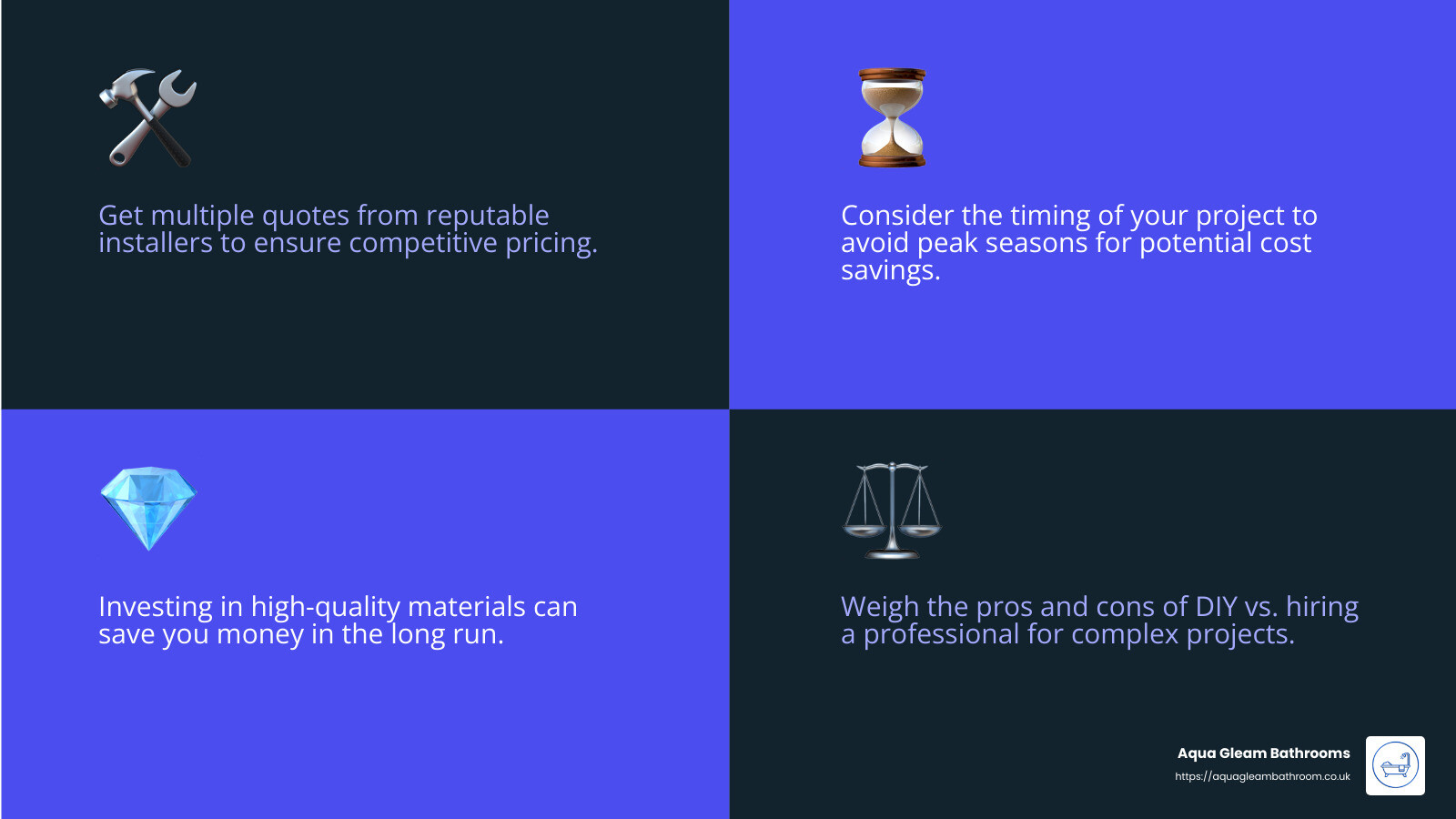
- Shop Around: Get multiple quotes from reputable installers to ensure competitive pricing.
- Plan Ahead: Consider the timing of your project to avoid peak seasons, which might offer cost savings.
- Quality Over Cost: Investing in high-quality materials and skilled labor can save you money in the long run by reducing the need for frequent repairs.
For more information on our services and to get a personalized quote, visit our Aqua Gleam Bathrooms service page.