
Ceramic Tile Art: A World of Color, Pattern, and History Awaiting Your Discovery.
Ceramic tile art is not just about covering surfaces; it’s a vibrant expression of culture, innovation, and personal style. From ancient times to the modern era, ceramic tiles have decorated spaces both sacred and functional, evolving with technological advances and aesthetic shifts. Today, they’re a popular choice for homeowners seeking to infuse their spaces with beauty, durability, and character.
-
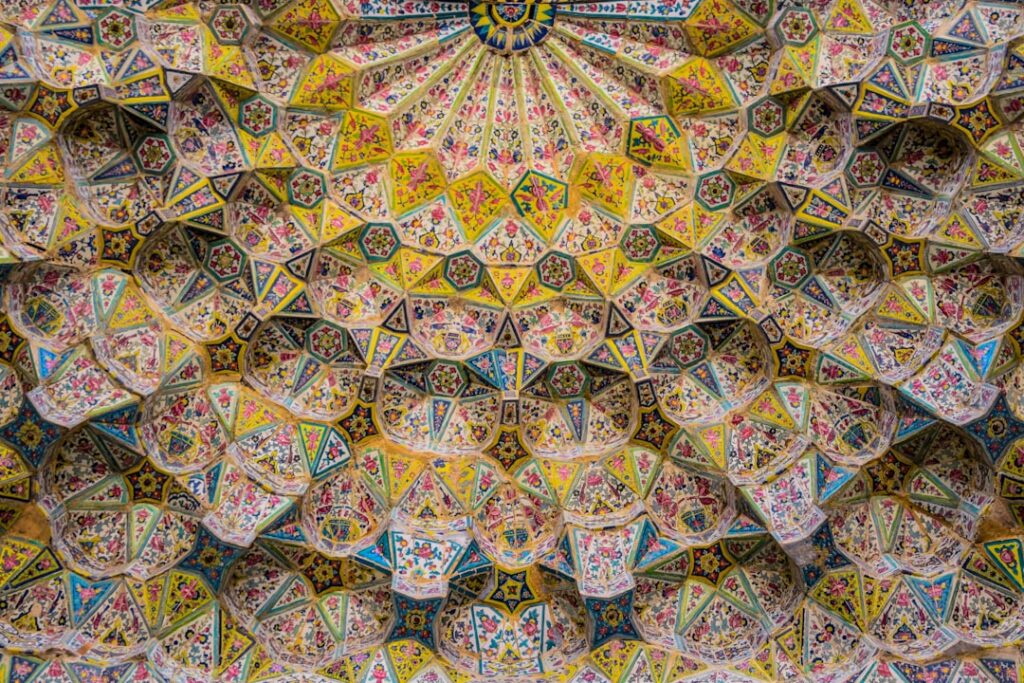
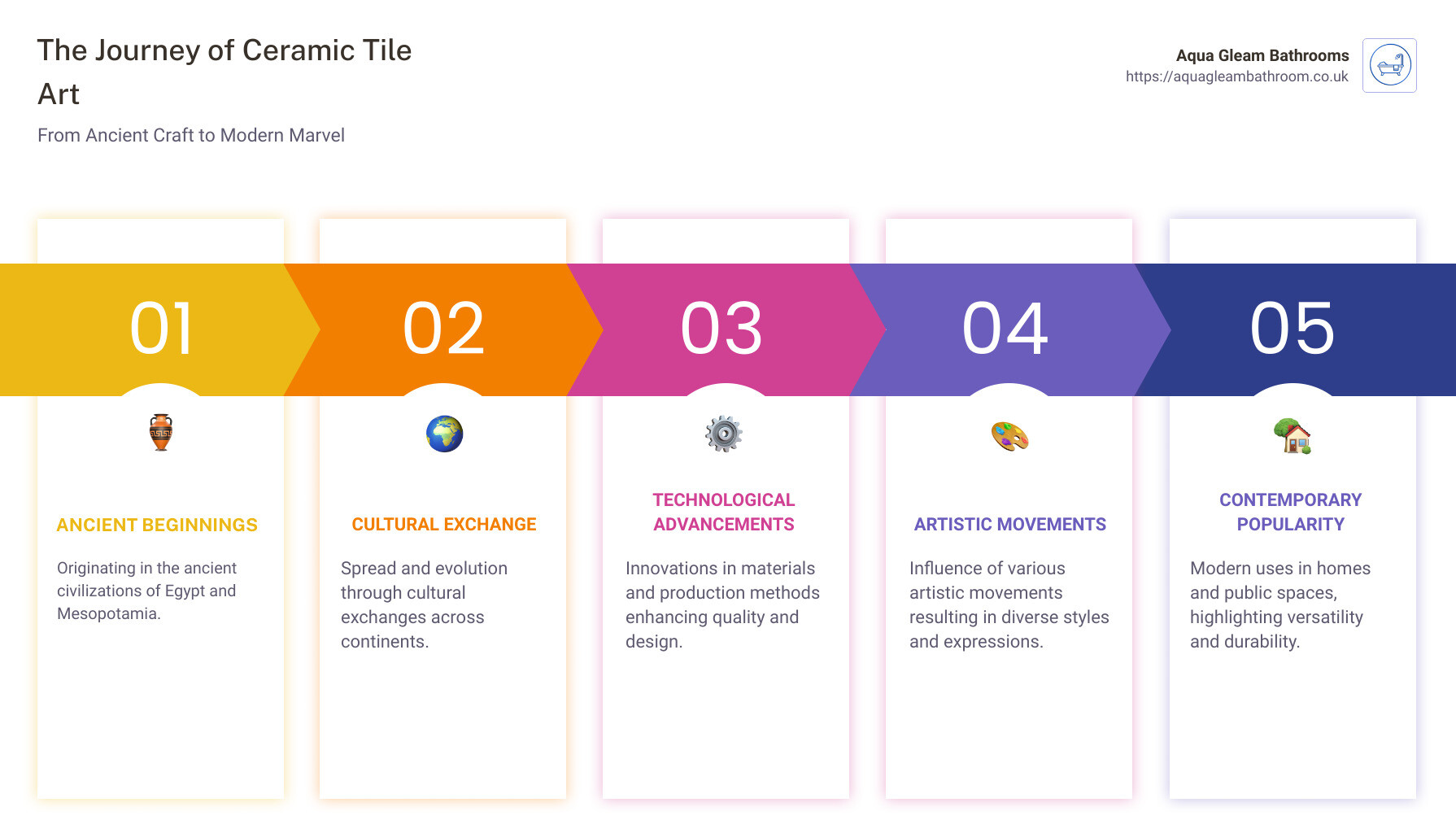
History: Tracing back thousands of years, ceramic tile art has roots in the ancient civilizations of Egypt and Mesopotamia. Through the ages, it has been embraced across the globe, from the intricate azulejos of Portugal to the ornate mosaics of the Islamic world.
-
Evolution: The development of ceramic tile art has been influenced by cultural exchanges, technological innovations, and artistic movements. This evolution reflects changes in aesthetics, materials, and production methods.
-
Popularity: In contemporary homes, ceramic tile art continues to be a favored medium for expressing personal style and creativity. Its versatility, durability, and vast range of designs make it a go-to choice for enhancing the beauty and functionality of living spaces.
Whether you’re planning a bathroom renovation, updating your kitchen backsplash, or simply exploring the artistic potential of ceramic tiles, understanding their history, evolution, and current trends will enrich your project with depth and significance.
The Basics of Ceramic Tile Art
When diving into ceramic tile art, start with the basics: the materials, techniques, and tools involved. This foundation will not only enhance the creation process but also ensure that the end result is both beautiful and durable.
Materials
The choice of material is critical in ceramic tile art. Traditional materials include:
- Ceramic: Known for its versatility and durability. It’s an excellent choice for various projects, providing a vast range of colors and textures.
- Porcelain: A type of ceramic that’s fired at higher temperatures, making it denser and more water-resistant. Ideal for both indoor and outdoor spaces.
- Glass: Offers a reflective quality, adding depth and luminescence to tile art.
- Vinyl: Although not traditional, it’s becoming popular due to its ease of maintenance and installation.
Each material offers unique benefits, so the choice depends on the project’s specific requirements regarding aesthetics, durability, and environment. For instance, ceramic and porcelain are excellent for areas with moisture, like bathrooms, due to their water resistance .
Techniques
The technique used can significantly affect the tile’s appearance and feel. Some common techniques include:
- Glazing: Applying a glassy coating that can add color or designs and make the tile more water-resistant.
- Hand-painting: Allows for unique, custom designs. Each tile becomes a piece of art.
- Embossing: Creating raised patterns on the tile surface for added texture.
- Sublimation Printing: A modern technique where designs are transferred onto the tile, allowing for photo-quality images.
Tools
The right tools are necessary for handling and shaping the tiles, applying designs, and installing the finished pieces. Essential tools include:
- Tile cutters: For shaping and sizing tiles to fit specific spaces.
- Trowels and spacers: To evenly spread adhesive and ensure tiles are laid out uniformly.
- Grout float: For applying grout between the tiles, securing them in place and finishing the look.
- Sponges and cleaners: For cleaning excess grout and polishing tiles after installation.
Understanding these basics sets a solid foundation for creating stunning ceramic tile art. Whether it’s for a practical application like a kitchen backsplash or a purely artistic endeavor, the right materials, techniques, and tools are key to bringing your vision to life. With this knowledge, you’re well on your way to exploring the vast possibilities that ceramic tile art offers, from traditional designs inspired by centuries-old craftsmanship to innovative modern creations that push the boundaries of what can be achieved with these versatile materials.

Next, we’ll delve into the styles and inspirations that have shaped ceramic tile art throughout history and how they continue to influence contemporary designs.
Styles and Inspirations in Ceramic Tile Art
Ceramic tile art isn’t just about picking a tile and laying it down. It’s a form of expression, a bridge between tradition and modernity, and a canvas that reflects various cultural influences. Let’s explore the rich tapestry of styles and inspirations that make ceramic tile art so captivating.
Traditional: Traditional ceramic tile art is steeped in history. Think of the intricately patterned tiles in a Turkish bath or the vibrant, colorful designs of Mexican Talavera tiles. These styles have a timeless quality, often featuring geometric patterns, floral designs, and nature motifs. They tell stories of their origins, carrying the essence of the cultures they come from.
Modern: On the flip side, modern ceramic tile art embraces minimalism and contemporary aesthetics. It’s all about clean lines, monochromatic color schemes, and unexpected textures. Modern ceramic tile art often plays with the idea of space, using large-format tiles to create a seamless look or employing 3D tiles for a tactile experience.
Cultural Influences: The beauty of ceramic tile art lies in its ability to transcend borders and time periods. For instance, the intricate Islamic tile work, known for its complex geometric patterns and rich symbolism, has inspired artists and designers worldwide. Similarly, the earthy tones and rustic textures of Mediterranean tiles capture the warm, sun-drenched landscapes of the region.
Each of these styles and cultural influences offers a unique perspective on ceramic tile art, providing a vast array of options for anyone looking to explore this medium. Whether you’re drawn to the traditional charm of hand-painted tiles or the sleek sophistication of modern designs, there’s a world of inspiration to be found.
Incorporating these diverse styles into your projects can transform any space, adding not just beauty but also a sense of history and place. As we’ve seen with Aqua Gleam Bathrooms, understanding the significance of water resistance, slip resistance, and the aesthetic appeal of tiles can greatly enhance the impact of ceramic tile art in both functional and decorative contexts .
Remember that the choice of ceramic tiles for your art project isn’t just a practical decision—it’s an opportunity to weave together different eras, cultures, and ideas, creating something truly unique.
In the next section, we’ll guide you through choosing the right ceramic tiles for your art project, considering factors like size, color, texture, and durability. Let’s continue to explore the endless possibilities that ceramic tile art offers.
How to Choose the Right Ceramic Tiles for Your Art Project
When diving into ceramic tile art, choosing the right tiles is like picking the perfect canvas for your painting. It’s not just about grabbing the first tile you see. You need to think about size, color, texture, and durability. Let’s break these down, so you can make an informed choice that brings your artistic vision to life.
Size Matters
First off, size. It’s key because it influences the level of detail you can include in your art. Larger tiles offer a broader surface for big, bold designs, while smaller tiles are great for intricate, detailed work. Larger tiles may require less grout, which can affect the overall appearance of your art piece.
Color: The Soul of Your Art
Color breathes life into your art. Whether you’re aiming for a vibrant, lively piece or a more subdued, elegant work, the color of your tiles can dramatically alter the mood and atmosphere of your creation. Consider the interplay of colors, how they complement or contrast with each other, and what emotions they evoke.
Texture: Feel the Difference
Texture adds depth and dimension. A glossy finish can reflect light, making your art piece shimmer and change appearance throughout the day. Matte finishes, on the other hand, offer a more understated, sophisticated look. Textured surfaces can also add a tactile element to your work, inviting viewers to not only look but touch.
Durability: Built to Last
Lastly, durability. This is crucial, especially for art projects that will grace spaces exposed to moisture or foot traffic. Ceramic and porcelain tiles are top picks for their water resistance and toughness. Your beautiful creation should stand the test of time, resisting wear, fading, and staining.
Choosing the right tiles for your ceramic tile art project isn’t just a step in the process—it’s an art in itself. By considering these factors, you’re laying the foundation for a masterpiece that captures your vision and withstands the elements, bringing joy and beauty for years to come.
For those interested in diving deeper into the materials aspect, particularly the benefits of ceramic and porcelain tiles in art projects, explore further here.
In the next section, we’ll walk you through creating your own ceramic tile art, from the initial design planning to the finishing touches. Stay tuned to bring your artistic ideas to life with skill and confidence.
Creating Your Own Ceramic Tile Art
Creating your own ceramic tile art can be a fulfilling journey, where you transform simple ideas into vibrant, tangible art pieces. Let’s dive into how you can start this creative adventure.
Design Planning
Start with a sketch. Before you touch any materials, sketch your design. This could be on paper or a digital tool. Think about the colors, the patterns, and where each element will sit on the tile. The design should reflect your personal style or the theme you’re aiming for.
Consider the space. Where will your ceramic tile art live? Is it a backsplash in a kitchen, a decorative wall, or a piece for your outdoor garden? The location can influence your design choices, especially in terms of color and size.
Step-by-Step Process
-
Choose your tiles. Depending on your design, you might opt for plain tiles as your canvas. Consider the size and texture based on your project’s needs. For art projects, ceramic tiles work well due to their smooth surface and durability.
-
Gather your materials. You’ll need tile glazes or paints, brushes, and possibly stencils if you’re not comfortable freehanding your design. Don’t forget the basics: gloves, goggles, and a clean workspace.
-
Prepare your tile. Clean the tile to remove any dust or grease that could hamper the paint’s ability to stick. A simple wipe with a damp cloth is usually enough.
-
Apply your design. Begin painting or glazing your tile. This might take several layers, especially if you’re working with lighter colors. Allow each layer to dry thoroughly before applying the next.
-
Fire the tile. If you’re using glaze, you’ll need to fire the tile in a kiln. This process sets the glaze and ensures your design is permanent. Check the glaze’s instructions for the correct firing temperature.
Finishing Touches
Seal the tile. If your tile will face moisture or foot traffic, apply a sealant. This protects your artwork and extends its lifespan.
Mounting and displaying. Consider how you’ll display your tile. If it’s a decorative piece, you might add a hanging mechanism on the back. For functional art like coasters, attaching felt pads can prevent scratches on surfaces.
Creating your own ceramic tile art is not just about the end product; it’s about enjoying the process of bringing your vision to life. From the initial design planning to the final touches, each step offers a chance to learn and grow as an artist. Whether you’re working on a personal project or designing something for your home, the key is to experiment and have fun.
In the next section, we’ll cover how to display and install your ceramic tile art effectively, ensuring it looks great and remains secure, whether indoors or outside.
Displaying and Installing Ceramic Tile Art
When you’ve put your heart into creating ceramic tile art, it’s only natural to want to display it in the best way possible. Whether you’re adorning a cozy corner indoors or bringing a splash of color to an outdoor space, the way you install and display your art can make all the difference. Here’s how to ensure your ceramic tile art stands out and stays put.
Indoor Installation
For indoor spaces, lighting and location play key roles. Consider places where your art can catch the eye, like a statement wall in the living room or a backsplash in the kitchen. The beauty of ceramic tile art is in its versatility and durability, making it suitable for areas that might experience moisture, such as bathrooms. Aqua Gleam Bathrooms underscores the importance of choosing water-resistant and low-absorbent tiles for such areas, ensuring your art remains pristine over time.
Adhesives are crucial for indoor tile art. Use a high-quality tile adhesive that’s suitable for your wall’s material. Whether it’s drywall, plaster, or concrete, the right adhesive will ensure your tiles stay secure without damaging the wall.
Outdoor Display
Outdoor ceramic tile art brings life to gardens, patios, or exterior walls. However, outdoor installations face challenges like weather conditions and temperature changes. Opt for tiles and adhesives that are rated for outdoor use, ensuring they can withstand the elements. Slip-resistant tiles are a wise choice for floors, enhancing safety in wet conditions.
When installing outdoors, grouting is your friend. It not only secures the tiles but also prevents water from seeping behind them. Use a waterproof grout and seal it properly to protect your art from moisture and frost.
Adhesives and Grouting
Choosing the right adhesives and grouting materials is essential for both indoor and outdoor installations. For adhesives, ensure they are compatible with both the tile material and the surface you’re mounting them on. For grouting, select a color that complements your art. Grout color can dramatically affect the appearance of your tile art, enhancing its visual impact.
To install, spread the adhesive evenly on the surface, place your tiles carefully, and apply firm pressure. After allowing sufficient drying time, apply grout between the tiles, wiping away any excess. This process not only secures your art but also gives it a finished, professional look.
Tips for Success:
– Always check the weather resistance of your materials for outdoor installations.
– Consider the lighting in indoor spaces to enhance the visual appeal of your art.
– Test your adhesive and grout on a small area before full application to ensure compatibility and the desired aesthetic.
By following these guidelines, you can confidently display and install your ceramic tile art, ensuring it adds beauty and character to your space for years to come. Whether indoors or outdoors, the right preparation, materials, and techniques will help your ceramic tile art stand out as a testament to your creativity and craftsmanship.
Maintenance and Care for Ceramic Tile Art
Keeping your ceramic tile art in top condition isn’t just about preserving its beauty; it’s about extending its life and ensuring it remains a vibrant part of your space. Here’s how to tackle cleaning, repairs, and ensuring longevity.
Cleaning
Ceramic tile art, with its intricate designs and finishes, requires a gentle touch when it comes to cleaning.
-
Daily Dusting: Use a soft, dry cloth to remove dust and prevent buildup. This is particularly important for textured tiles where dust can accumulate in crevices.
-
Mild Cleaning Solution: For deeper cleans, mix a mild detergent with warm water. Apply with a soft cloth or sponge, avoiding harsh scrubbing that could damage the glaze or artwork. Rinse with clean water to prevent any soap residue.
-
Avoid Harsh Chemicals: Bleach and abrasive cleaners can erode the glaze, making your tiles susceptible to staining and fading. Stick to pH-neutral cleaners specifically recommended for ceramic tiles .
Repair
Accidents happen, but not all damage spells the end for your ceramic tile art.
-
Small Chips and Cracks: Use a clear epoxy or a repair kit that matches the color of your tile. Apply carefully according to the product’s instructions.
-
Replacement: For more significant damage, replacing the tile may be your best option. If you’ve kept spare tiles from your original project, you’ll have a perfect match. If not, finding a close match might require a bit of hunting.
Longevity
Ensuring your ceramic tile art lasts for generations involves a few proactive steps.
-
Sealing: Some ceramic tiles, especially those with matte finishes or intricate designs, might benefit from a sealant to protect against moisture and staining. This is especially true for art located in high-moisture areas.
-
Avoid Physical Damage: While ceramic tiles are durable, heavy impact can cause damage. Be mindful of moving heavy objects near your tile art and consider protective barriers if necessary.
-
Regular Inspections: Check for loose tiles, cracks, or signs of wear. Catching issues early can prevent more extensive damage.
By incorporating these maintenance and care practices, your ceramic tile art will continue to enhance your space with its beauty and unique character. The key is gentle, regular care and taking swift action when repairs are needed. This way, your ceramic tile art will not only be a reflection of your personal style but a lasting part of your home’s story.
Frequently Asked Questions about Ceramic Tile Art
Ceramic tile art adds beauty and personality to any space, indoors or out. It combines function with form, offering both durability and a way to express creativity. If you’re considering diving into ceramic tile art, you likely have questions. Here are some answers to the most common queries.
What are the best materials for ceramic tile art?
The best materials for ceramic tile art include ceramic and porcelain tiles. These materials are prized for their durability, water resistance, and ease of maintenance. Ceramic tiles are versatile and can be found in a variety of colors and patterns, making them ideal for artistic projects. Porcelain tiles, akin to those mentioned in our guide, offer a higher density and are less porous, making them especially suited for outdoor use or high-moisture areas.
How can I make my ceramic tile art last longer?
To ensure the longevity of your ceramic tile art, proper installation and regular maintenance are key. Using a high-quality sealant can protect the tiles from moisture and staining, especially if the tiles are located in an outdoor space or a high-traffic area. It’s also important to clean your ceramic tile art regularly with non-abrasive cleaners to prevent dirt accumulation and to maintain its vibrant appearance. For outdoor installations, choosing materials specifically rated for outdoor use can help resist the effects of weathering.
Can ceramic tile art be used in outdoor spaces?
Absolutely! Ceramic tile art can be a stunning addition to outdoor spaces. Porcelain tiles are particularly suitable for outdoor use due to their low water absorption rate and high resistance to frost. When selecting tiles for outdoor use, it’s crucial to consider their slip resistance and durability against the elements. As highlighted in our material selection guide, ensuring that the tiles are suited for the outdoor environment will help maintain their beauty and integrity over time.
Creating and installing ceramic tile art can transform any space into a personal statement. Whether you’re designing a vibrant backsplash for your kitchen, a decorative path through your garden, or an intricate mural for your patio, the right materials and care can make your vision a lasting reality. With a bit of planning and maintenance, your ceramic tile art will continue to captivate and charm for years to come.
Conclusion
As we’ve journeyed through the vibrant world of ceramic tile art, from its rich history to the practical steps of creation and care, it’s clear that this form of art has a bright and evolving future. At Aqua Gleam Bathrooms, we’ve seen how ceramic tile art can transform spaces, adding color, life, and personality to any room. Whether it’s the elegance of Zellige tiles or the classic beauty of marble, the possibilities are endless .
The future of ceramic tile art looks promising, with new technologies and materials opening up even more avenues for creativity and expression. Innovations in tile production and design are making it easier than ever to create stunning, durable works of art that can withstand the test of time, both indoors and out.
We encourage everyone to explore the potential of ceramic tile art. Whether you’re planning a small project or dreaming of a large-scale installation, there’s no limit to what you can create. The key is to start with a vision and then step boldly into the process of bringing that vision to life. With the right approach, anyone can create a beautiful and lasting piece of art that reflects their personal style and adds beauty to their surroundings.
At Aqua Gleam Bathrooms, we’re committed to helping our clients unleash their creativity and achieve their dream spaces. Our expertise and attention to detail ensure that every installation is not just a project, but a masterpiece that resonates with our clients and stands the test of time.
So, why not start exploring the wonderful world of ceramic tile art today? Let your imagination run wild and see where it takes you. Every great piece of art begins with a single idea. And with ceramic tile art, the possibilities are as limitless as your creativity. Let’s embark on this colorful journey together, transforming spaces and bringing visions to life, one tile at a time.